Pav Bhaji is one of India’s most beloved street foods, originating from Maharashtra. This spicy, buttery vegetable curry served with soft bread rolls—known as pav—is a staple at roadside stalls, restaurants, and even home kitchens across the country. While most people enjoy it for its taste, there are plenty of interesting facts and secrets behind this iconic dish. Here are 18 things you probably didn’t know about Pav Bhaji.
1. It’s Actually Two Dishes in One
The name itself explains the combination: Pav means bread, and Bhaji means vegetable curry. Together, they form a complete and satisfying meal.
2. “Bhaji” Literally Means Vegetables
In Marathi, the word bhaji simply refers to vegetables, but in Pav Bhaji, it’s much more than just veggies—it often contains potatoes, tomatoes, peas, and sometimes lentils for a richer taste.
3. Pav Means Bread Rolls
The bread used in Pav Bhaji is soft, fluffy, and slightly sweet, typically made from maida (refined flour) or wheat flour.
4. Pav Bhaji is Sometimes Called “English Curry”
Why? Because potatoes, a staple in Pav Bhaji, were introduced by the British in India.
5. Variants Are Everywhere
From Malwani Pav Bhaji in the Konkan region to Varanbhaari Pav Bhaji in Pune, every part of Maharashtra has its own twist on this classic.
6. Pav Bhaji Masala is the Secret Ingredient
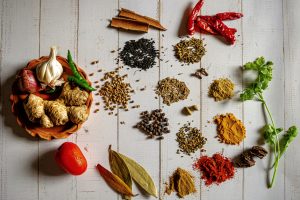
The rich, tangy, and spicy flavor comes from Pav Bhaji Masala—a spice blend of coriander, cumin, red chili, and other secret spices. You can buy it or make it at home for fresher taste.
7. Cooking Technique is Key
The creamy texture comes from mashing the vegetables thoroughly and adding butter and cream toward the end of cooking. This gives the curry its signature richness.
8. Onions, Cumin, and Garam Masala Matter
Adding onion seeds, cumin seeds, and garam masala along with Pav Bhaji Masala enhances the flavor depth.
9. Butter Makes It Magical
Butter is not just an ingredient—it’s the flavor backbone of Pav Bhaji. The more butter, the richer the taste.
10. Green Chilies Add Heat
Fresh green chilies are often used to balance the sweetness of potatoes and the tanginess of tomatoes, giving the bhaji a mild kick.
11. Served All Over India
While Mumbai is its spiritual home, Pav Bhaji is enjoyed across India. It’s a street food, a snack, and sometimes even a main course.
12. Flavor Profile is Unique
Pav Bhaji is tangy, sweet, hot, and spicy all at once. This complex mix of flavors makes it stand out among Indian street foods.
13. Versatile Ingredients
It usually contains mashed potatoes, onions, tomatoes, green peas, and sometimes cauliflower or bell peppers, with butter and spices rounding it out.
14. Masala Spice Mix is Region-Specific
Every restaurant or household has its own Pav Bhaji Masala recipe, which means no two bhajis are exactly the same.
15. Usually Eaten with Pav
The soft bread rolls are traditionally served toasted with butter. Some restaurants also serve it with rice, roti, or naan.
16. Calorie Count
One serving of Pav Bhaji has around 565 calories, making it a hearty, filling meal suitable for lunch or dinner.
17. Historical Roots
Pav Bhaji was invented by Parsis in Mumbai during the 16th century and was initially a quick lunch for textile mill workers. It’s also known as Bombay Bhaji.
18. Fun Facts About Serving
-
Pav Bhaji is best served hot with a dollop of butter, papad (crispy crackers), and a wedge of lemon.
-
The bread is often slightly crispy on the outside and soft inside, perfect for scooping up the bhaji.
-
Some variations include toppings like finely chopped onions, coriander leaves, or extra spices for flavor punch.
Final Thoughts
Pav Bhaji isn’t just a dish; it’s a culinary experience. From its rich history to its complex flavors, it’s no wonder this street food has captured hearts across India and beyond. Next time you bite into that buttery pav soaked in spicy bhaji, remember—it’s a dish with stories, secrets, and centuries of flavor packed into every spoonful.

Spices Masala is a contributor at Spices Masala. We are committed to providing well-researched, accurate, and valuable content to our readers.