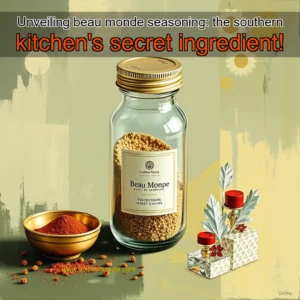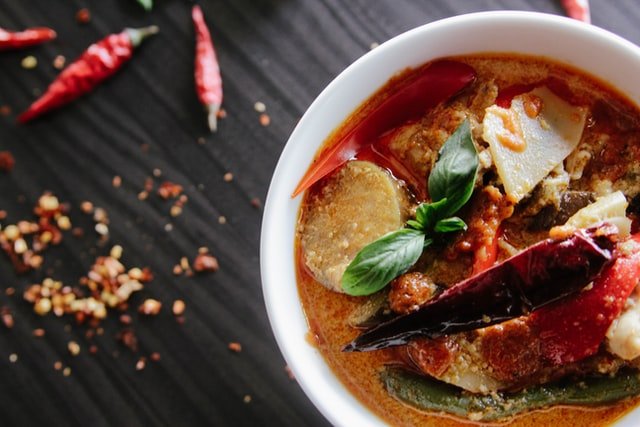
In the north Indian state of Uttar Pradesh, there’s a spice with a flavor so unique that it has found a special place in kitchens across India. This spice is Shahi Jeera—also known as royal cumin.
While it may look similar to regular cumin, its taste and aroma are far more delicate, earthy, and slightly sweet. Many people use it to flavor curries, pulaos, and even teas—like the special Shahi Jeera Tea served at formal gatherings. But what makes our shahi jeera taste so different and so good?
The Secret Lies in the Process
Traditionally, jeera oil was extracted using hand-operated presses, giving the spice its rich flavor and unmistakable aroma. These methods have mostly been replaced by electric Toddy Presses since the 1960s, but the traditional touch still matters.
In our family, the secret is in how the jeera is roasted, ground, and blended.
The Steps That Make It Special:
-
Roasting – Seeds are slow-roasted on a low flame until their natural oils are released, giving a deep, nutty aroma.
-
Cooling – Roasted seeds are cooled for 10 minutes before grinding, so the heat doesn’t rob them of flavor.
-
Grinding – The spice is ground in small batches, sometimes with a little water, to preserve its essential oils.
-
Enhancing – Ingredients like mashed potato, khoya (mawa), cream, sugar, cardamom, or even saffron are sometimes blended for festive recipes.
Recommended Reading: 13 Facts About Biryani Everyone Should Know -
Cooking – Finally, the spice is roasted in pure ghee and often slow-cooked over a charcoal fire, which adds a subtle smoky layer of flavor.
This slow, careful process is why the taste lingers and feels so much more rounded than store-bought blends.
Generational Wisdom in Every Spoon
Our recipe has been passed down for generations, each cook adding their own twist. Some families swear by roasting in ghee, others grind the spices on a traditional dhaba (stone grinder).
And while every household has its own “secret,” the basics remain the same—shahi jeera is about respecting the spice and letting it shine.
What Really Makes It So Good?
It’s not just cumin. A true shahi jeera blend often includes:
-
Coriander seeds – for citrusy brightness
-
Fennel seeds – for sweetness
-
Black cardamom – for a smoky, earthy note
You Might Also Enjoy: How Much Do Jalapeño Peppers Cost? A Complete Guide -
Cloves – for warmth
-
Fenugreek seeds – for bitterness to balance
-
Black cumin seeds – the heart of the flavor
-
Dried ginger powder – for gentle heat
Sometimes mint leaves or asafoetida are added too, depending on family tradition. Together, these spices create layers of taste—spicy, refreshing, nutty, and slightly sweet.
How to Enjoy Shahi Jeera
-
Add it to curries and dals for depth.
-
Use it in pulao, biryani, or flavored rice.
-
Sprinkle on soups or roasted vegetables.
-
Brew it into Shahi Jeera Tea—served hot, sometimes even with ice for a refreshing twist.
The Takeaway
Our shahi jeera tastes so good because it’s not just a spice—it’s a tradition. From slow roasting to grinding on stone, from pure ghee roasting to charcoal cooking, each step builds flavor that can’t be rushed.
That’s why when you taste real shahi jeera, you immediately know—it’s royal in every sense.

Spices Masala is a contributor at Spices Masala. We are committed to providing well-researched, accurate, and valuable content to our readers.