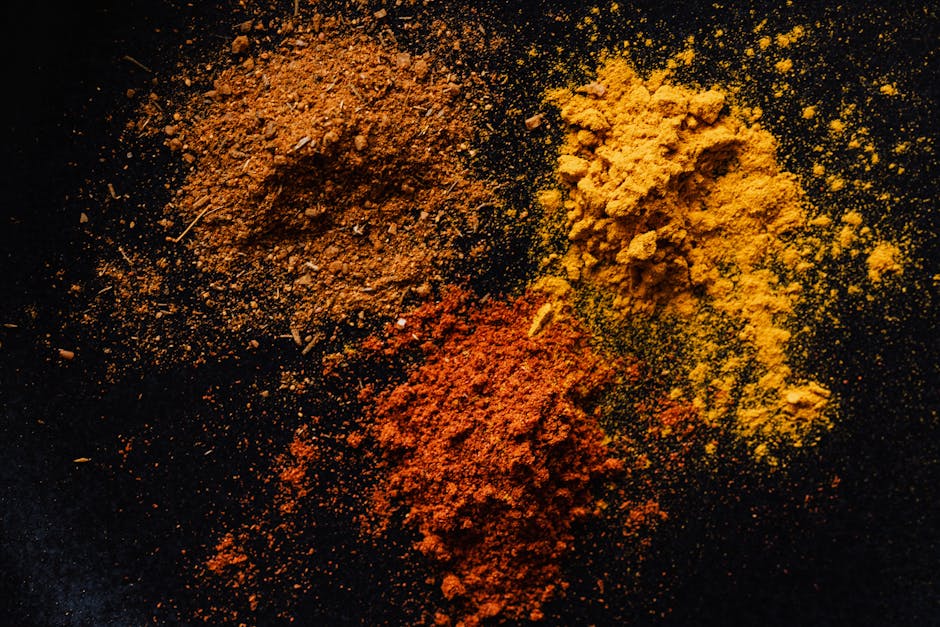
If you’ve ever browsed the spice aisle in a grocery store, you’ve probably noticed two similar-looking products: chili powder and chili seasoning. The names are often used interchangeably, which leads to confusion in the kitchen. But while both are essential for making chili and spicing up dishes, they are not the same thing.
The distinction matters—especially if you’re trying a new recipe. Using chili powder when the recipe calls for chili seasoning (or vice versa) can lead to a dish that’s either too bland, too spicy, or simply off-balance.
In this guide, we’ll break down the differences between chili powder and chili seasoning, explore their origins, highlight their unique uses, and provide some homemade recipes so you can make your own blends.
The Basics: Quick Definitions
-
Chili Powder:
A spice made from dried, ground chili peppers. It can be mild (like ancho or pasilla chili powders) or fiery (like cayenne). Pure chili powder contains only the chili pepper—sometimes with an anti-caking agent. -
Chili Seasoning:
A blend of spices designed to flavor chili dishes. It usually includes chili powder, cumin, garlic powder, onion powder, oregano, paprika, salt, and sometimes extras like cayenne or cinnamon.
👉 In short: Chili powder = single spice. Chili seasoning = spice mix.
Historical & Cultural Context
Chili Powder Origins
Chili peppers were first domesticated in Central and South America thousands of years ago. When Spanish and Portuguese traders introduced them to Europe and Asia, chili peppers spread globally, transforming cuisines from India to Korea.
The concept of chili powder as a spice—ground, dried chili peppers—came much later. In the U.S., commercial chili powder is often traced back to Texas in the late 1800s, when entrepreneurs began blending ground chili peppers with cumin and garlic for easier chili-making.
Chili Seasoning Development
Chili seasoning emerged as a convenient blend to help home cooks recreate chili con carne (a Tex-Mex classic). Instead of measuring multiple spices each time, packaged chili seasoning offered a shortcut. Over time, seasoning packets became popular in American supermarkets, often marketed as “taco seasoning” or “chili seasoning.”
Flavor Profiles
Chili Powder
-
Primary Taste: Spicy, smoky, or earthy (depends on chili type)
-
Heat Level: Ranges from mild (ancho, pasilla) to very hot (cayenne, bird’s eye).
-
Best For: Adding heat and pepper flavor without additional spices.
Chili Seasoning
-
Primary Taste: Balanced blend of savory, earthy, and slightly spicy flavors.
-
Heat Level: Usually medium—designed to be family-friendly.
-
Best For: Chili con carne, Tex-Mex dishes, seasoning meats and beans.
Key Differences Between Chili Powder and Chili Seasoning
| Feature | Chili Powder | Chili Seasoning |
|---|---|---|
| Main Ingredient | Ground dried chili peppers | Chili powder + cumin, garlic, onion, oregano, salt, paprika, etc. |
| Flavor Complexity | Simple, one-dimensional | Complex, layered, balanced |
| Heat Level | Varies by chili type | Mild to medium (adjustable) |
| Usage | To add heat and chili flavor | Ready-to-use blend for chili or Tex-Mex |
| Sodium Content | Typically no salt | Often includes salt |
| Customization | Choose chili type for heat/flavor | Adjust ratios of spices for personal taste |
When to Use Chili Powder vs. Chili Seasoning
-
Use Chili Powder When:
-
You want pure chili pepper heat.
-
Making international dishes (Indian curries, Thai soups, Mexican mole).
-
You’re building your spice base from scratch.
-
-
Use Chili Seasoning When:
-
Cooking American-style chili or Tex-Mex dishes.
-
You want convenience—everything’s already measured.
-
You want balanced flavor with less guesswork.
Recommended Reading: How to Tell if You’re Cooking with the Right Aleppo Pepper
-
👉 Pro Tip: If a recipe simply says “chili powder” but is from an American cookbook, it often means a chili seasoning blend, not pure chili pepper. Always check the context!
How to Make Your Own Chili Powder
Classic Homemade Chili Powder Recipe
Ingredients:
-
5 dried ancho chilies (mild, smoky)
-
2 dried guajillo chilies (fruity, medium heat)
-
1 dried cayenne chili (hot)
Instructions:
-
Remove stems and seeds from dried chilies.
-
Toast them lightly in a skillet until fragrant (30 seconds per side).
-
Grind into a fine powder using a spice grinder.
-
Store in an airtight jar for up to 6 months.
👉 Result: A pure, flavorful chili powder with smokiness and depth.
How to Make Your Own Chili Seasoning
Homemade Chili Seasoning Blend
Ingredients:
-
3 tbsp chili powder (from recipe above)
-
2 tsp ground cumin
-
2 tsp garlic powder
-
1 tsp onion powder
-
1 tsp smoked paprika
-
1 tsp oregano
-
1 tsp salt (optional)
-
½ tsp cayenne pepper (optional, for heat)
Instructions:
-
Mix all ingredients in a bowl.
-
Store in a jar or spice container for up to 6 months.
Use 2–3 tablespoons per pot of chili (serving 4–6 people).
Cooking Examples
Example 1: Chili with Chili Powder (from scratch)
-
Heat oil, sauté onions, garlic, and bell peppers.
-
Add ground beef or turkey.
-
Season with pure chili powder, cumin, oregano, and salt.
-
Add tomatoes, beans, and broth.
-
Simmer 45 minutes.
👉 Here, chili powder is just one spice—you balance it with others.
Example 2: Chili with Chili Seasoning
-
Brown meat with onions and garlic.
-
Add 3 tbsp chili seasoning blend.
-
Stir in tomatoes, beans, and broth.
-
Simmer 30 minutes.
👉 Here, the seasoning provides all the spices in one step—no extra measuring.
Beyond Chili: Other Uses
Chili Powder
-
Sprinkle on roasted vegetables for heat.
-
Add to Indian curries for spice depth.
-
Use in spice rubs for BBQ meats.
-
Stir into soups, sauces, or marinades.
Chili Seasoning
-
Use as taco seasoning for ground beef or chicken.
-
Sprinkle on roasted potatoes.
-
Stir into chili cheese dips.
-
Add to vegetarian chili with beans and lentils.
FAQs
1. Can I substitute chili powder for chili seasoning?
Yes, but you’ll need to add extra spices like cumin, garlic powder, onion powder, and salt to balance it out.
2. Is chili powder always spicy?
Not necessarily. Ancho chili powder is mild and sweet, while cayenne powder is very hot.
3. What’s the difference between chili powder and cayenne pepper?
Cayenne pepper powder is made from a single, very hot chili. Chili powder can be mild or blended with other spices.
4. Can I use taco seasoning instead of chili seasoning?
Yes, though taco seasoning may have more paprika and less heat. It’s similar but not identical.
5. Which is healthier?
Pure chili powder usually has no salt, making it a lower-sodium choice. Chili seasoning blends often contain salt, so check labels.
Key Takeaways
-
Chili powder = pure ground chili peppers.
-
Chili seasoning = chili powder + supporting spices.
-
Chili powder is versatile and used in many cuisines worldwide.
-
Chili seasoning is convenient for Tex-Mex and chili con carne.
-
Making your own blends at home ensures freshness and control over salt/heat levels.
Conclusion
While chili powder and chili seasoning may sound interchangeable, they serve different purposes in the kitchen. Chili powder delivers pure chili flavor and heat, while chili seasoning provides a balanced blend ready for Tex-Mex cooking.
Understanding the difference ensures you use the right spice at the right time—whether you’re making a hearty pot of chili, spicing up tacos, or experimenting with international flavors.
The next time you’re in the spice aisle, you’ll know exactly which jar you need—and maybe even feel inspired to make your own custom blend at home.

Spices Masala is a contributor at Spices Masala. We are committed to providing well-researched, accurate, and valuable content to our readers.