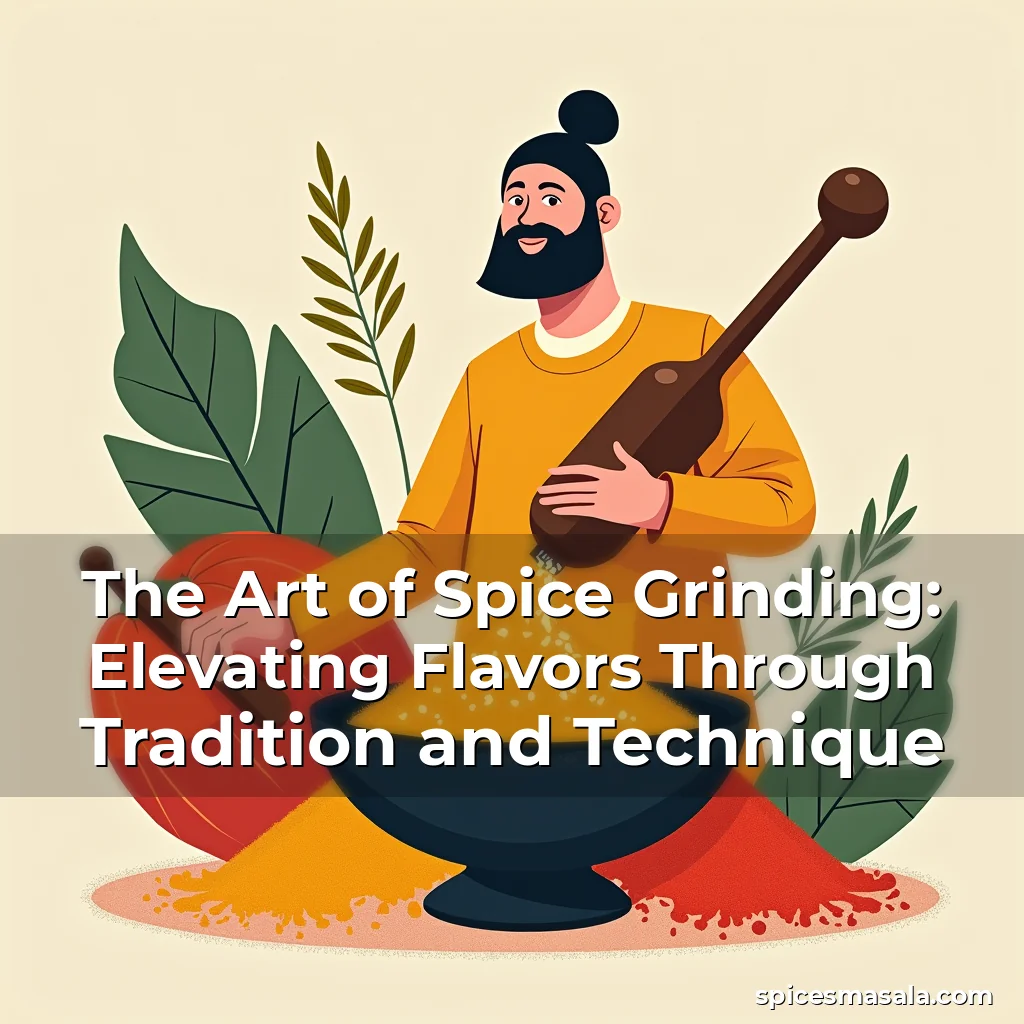
The Art of Spice Grinding: Elevating Flavors Through Tradition and Technique
In the heart of every vibrant kitchen lies an ancient practice that transforms humble seeds and pods into aromatic wonders—spice grinding. This essential process unlocks the true essence of flavors hidden within whole spices, making them indispensable in cuisines around the world.
From the rhythmic motion of hand-cranked mills to modern electric grinders, spice grinding is both an art form and a science. It connects us to culinary traditions while offering practical benefits for everyday cooking.
The Evolution of Spice Grinding Techniques
Spice grinding has evolved dramatically over centuries, reflecting changes in technology, culture, and global trade. Ancient civilizations relied on rudimentary tools such as stone mortars and pestles, which required significant physical effort but preserved the integrity of delicate aromatics.
As societies advanced, so did their methods. By the medieval period, rotary grindstones and mechanical presses began appearing in markets across Asia, Africa, and Europe. These innovations increased efficiency without compromising flavor complexity.
The Industrial Revolution marked a turning point, introducing mass production techniques that made ground spices widely available. However, traditionalists argue that factory processing often strips away volatile compounds responsible for nuanced taste profiles.
- Stone Mortar & Pestle: Offers precise control over texture and heat generation during grinding
- Metal Grinders: Provide consistent results at high speeds but may introduce metallic notes
- Ceramic Grinders: Preserve natural oils better than metal counterparts due to non-reactive surfaces
Modern electric grinders now offer adjustable settings ranging from fine powders suitable for curries to coarse textures ideal for rubs. Some models even feature built-in timers and temperature controls to optimize extraction processes.
Selecting the Right Tools for Optimal Results
Choosing appropriate equipment depends largely on your cooking frequency and desired outcomes. Home cooks might prefer compact manual grinders for occasional use, while professional kitchens require heavy-duty machines capable of continuous operation.
Different materials affect both performance and longevity. Stainless steel blades maintain sharpness longer than plastic equivalents but can dull faster when used frequently on hard spices like black pepper.
Awareness of maintenance requirements is crucial. Regular cleaning prevents cross-contamination between different spice types and ensures hygiene standards are met according to food safety regulations.
Comparative Analysis of Popular Models
According to recent consumer surveys, ceramic burr grinders consistently outperform others in preserving freshness. A study by Culinary Science Institute found these devices retain up to 89% of essential oils after six months storage compared to only 62% in standard blade grinders.
Electric models equipped with variable speed settings allow users to customize coarseness levels precisely. For instance, slow rotation preserves fragile cardamom pods better than rapid spinning which generates excessive frictional heat.
Understanding Spice Characteristics Before Grinding
Each spice possesses unique properties that influence how they respond to grinding. Hard varieties like coriander seeds benefit from thorough crushing to release their full potential, whereas soft pastes such as ginger need careful handling to avoid excessive pulp formation.
Temperature plays a critical role in determining aroma retention. Grinding at room temperature helps preserve volatile compounds, while excess heat can cause degradation of sensitive ingredients like saffron threads.
Moisture content also affects consistency. Dried herbs generally produce finer powders than fresh ones, requiring adjustments in pressure application during manual grinding sessions.
Mastering the Manual Grinding Process
Using a mortar and pestle effectively requires mastering technique rather than brute force. Apply steady circular motions starting with light pressure before gradually increasing intensity as particles break down.
To achieve uniformity, periodically lift the pestle and redistribute contents within the mortar. This prevents clumping and ensures even particle size distribution throughout the batch.
Pestle design significantly impacts performance. Flat-bottomed versions provide greater surface area contact for efficient crushing, while pointed ends excel at working small quantities without spillage risks.
Optimizing Electric Grinder Usage
Proper setup enhances machine performance and prolongs lifespan. Always ensure the container is securely locked before initiating any grinding cycle to prevent accidents caused by loose parts.
Grinding duration varies based on quantity and desired fineness. Small batches typically take less time than larger volumes, though patience yields superior results regardless of volume processed.
Regular calibration checks help maintain accuracy. Over time, wear patterns develop on burrs affecting consistency; periodic inspection ensures continued reliability in daily operations.
Tips for Storing Ground Spices Effectively
Preservation begins post-grinding through smart packaging choices. Vacuum-sealed containers minimize air expo
Dark-colored storage vessels protect against sunlight-induced oxidation reactions that degrade quality over extended periods. Refrigeration further slows chemical breakdown processes especially beneficial for citrus-based seasonings.
Labeling each container with date of grinding allows easy tracking of freshness cycles. Most ground spices remain potent for three months under optimal conditions, though some exceptions exist among highly perishable items.
The Cultural Significance of Hand-Ground Spices
Beyond mere functionality, manually prepared spices carry deep cultural significance across many communities. In Indian households, freshly crushed cumin adds authenticity to traditional dishes passed down generations.
Ritualistic aspects accompany certain preparations where specific grinding methods symbolize respect towards ancestral recipes. Such practices reinforce communal bonds centered around shared culinary heritage.
Economic factors also shape preferences regarding grinding techniques. Rural areas often rely on locally crafted implements due to cost considerations versus urban centers embracing convenience-oriented solutions.
Common Mistakes to Avoid When Grinding Spices
Oversaturation occurs when too much material enters the grinder simultaneously leading to unevenly sized fragments. Gradually adding portions maintains control over resulting texture characteristics.
Ignoring manufacturer guidelines risks damaging expensive machinery. Following recommended load capacities safeguards investments in premium appliances designed for commercial-grade workloads.
Failing to clean thoroughly introduces contamination risks between different spice types potentially altering flavor profiles unexpectedly during subsequent uses.
Enhancing Flavor Profiles Through Precision Grinding
Varying grind sizes contribute uniquely to dish composition. Fine powders integrate seamlessly into sauces creating smooth mouthfeel sensations unlike coarse textures that add visual appeal through visible granules.
Symmetrical particle distributions enhance dissolution rates improving overall infusion effectiveness particularly noticeable when preparing complex spice blends requiring balanced ingredient interactions.
Consistency assessments using mesh sieves verify whether achieved textures match intended specifications ensuring recipe fidelity remains intact throughout preparation stages.
Exploring Regional Variations in Grinding Practices
Indian subcontinent employs distinct approaches depending upon regional specialties. North Indian cuisine favors medium-coarse grinds suitable for tempering processes involving ghee-infused aromas.
South Indian variations emphasize extremely fine consistencies necessary for dosa batter fermentation success relying heavily on uniformly broken-down urad dal components.
Thai culinary traditions showcase another approach favoring mixed textures combining both finely powdered elements alongside whole peppercorns retained specifically for textural contrast purposes.
Future Innovations in Spice Grinding Technology
Advancements continue shaping future possibilities including AI-driven systems adjusting parameters automatically based upon detected spice identities via optical scanning technologies.
Nanotechnology applications explore ways to enhance bioavailability of nutrients contained within various spice constituents possibly revolutionizing health-focused gastronomy sectors.
Sustainable initiatives focus reducing energy consumption through improved motor efficiencies coupled with biodegradable component development addressing environmental concerns associated with current manufacturing processes.
Conclusion
Spice grinding bridges tradition with innovation, transforming simple ingredients into extraordinary flavor experiences. Whether you choose classic methods or embrace cutting-edge solutions, understanding this craft enriches your culinary journey immensely.
By mastering proper techniques and respecting each spice’s unique qualities, you unlock new dimensions of taste that elevate ordinary meals into remarkable creations worthy of sharing with loved ones.
“`

news is a contributor at Spices Masala. We are committed to providing well-researched, accurate, and valuable content to our readers.