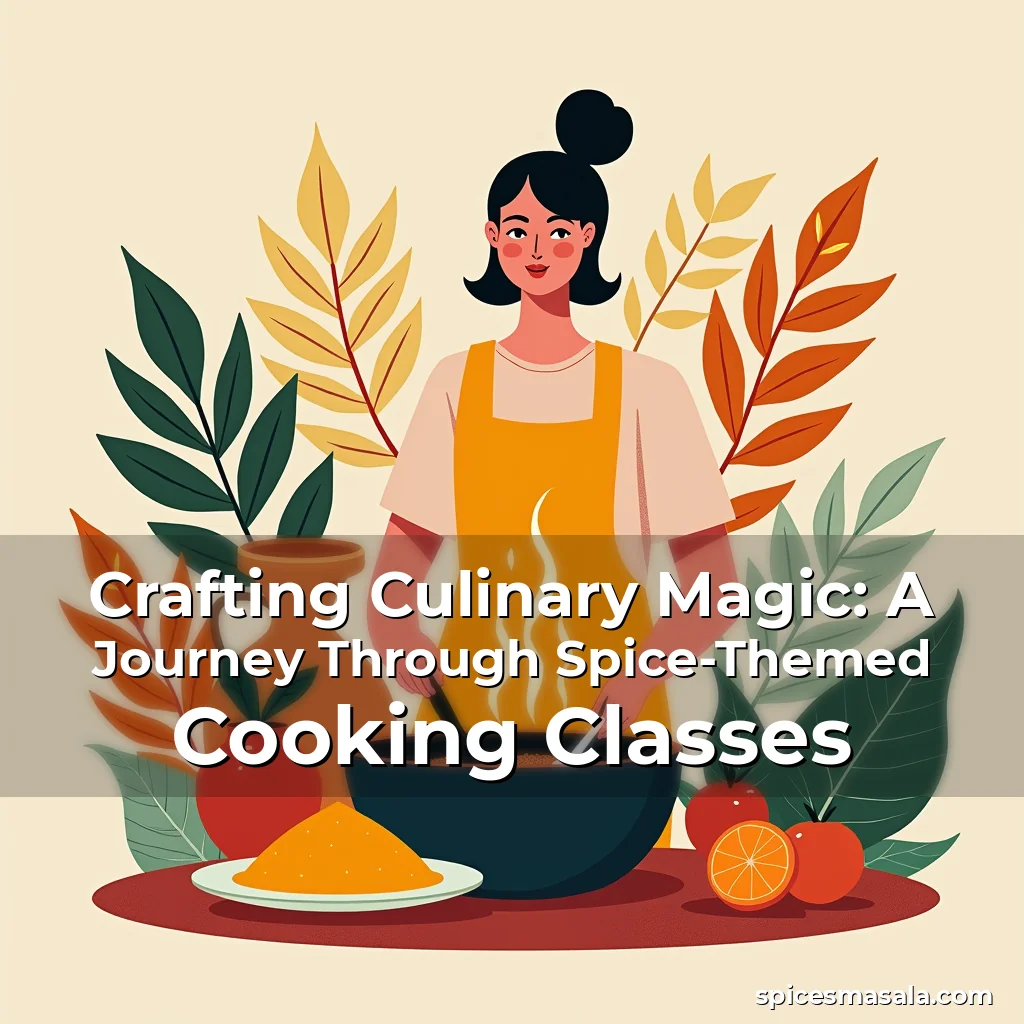
Crafting Culinary Magic: A Journey Through Spice-Themed Cooking Classes
In an era where culinary experiences are increasingly personalized and immersive, spice-themed cooking classes have emerged as a vibrant celebration of flavor, culture, and creativity. These specialized workshops invite participants to explore the world through their taste buds, offering hands-on opportunities to master the art of using aromatic blends that define global cuisines.
Whether you’re a novice looking to expand your kitchen repertoire or an experienced cook seeking new inspiration, these classes provide a unique platform to deepen your understanding of how spices transform simple ingredients into extraordinary dishes. The journey begins by uncovering the stories behind each spice, its origins, and its role in shaping diverse food traditions across continents.
The Artistry of Flavor: Understanding Spice Profiles
At the heart of any spice-themed cooking class lies the exploration of individual spice profiles. Participants learn to identify distinct characteristics such as heat level, aroma intensity, and depth of flavor contributed by various spices like cumin, coriander, and cardamom.
This foundational knowledge enables cooks to make informed decisions when blending spices for different regional dishes—from the smoky complexity of Indian garam masala to the bright citrus notes found in Mediterranean za’atar mixes. By mastering these nuances, students gain confidence in experimenting with combinations that elevate everyday meals.
- Heat Level Awareness: Recognizing how chili peppers vary from mild paprika to fiery habanero helps determine appropriate usage in recipes.
- Aroma Intensity: Spices like star anise and cinnamon possess strong scents that can dominate other flavors unless used judiciously.
Classes often include sensory exercises where attendees blindfold themselves while tasting spice-infused oils or broths to sharpen their palate’s ability to detect subtle differences between similar-sounding spices.
Such activities not only enhance technical skills but also foster appreciation for how even minute adjustments in spice quantity can dramatically alter a dish’s overall character.
Regional Specializations: Exploring Global Flavors
Spice-themed cooking classes frequently offer regional specializations that allow students to delve deeply into specific culinary traditions known for their distinctive use of seasonings.
For instance, a course focused on Moroccan cuisine might cover techniques for creating ras el hanout—a complex blend of over 30 spices—while another could emphasize Thai cooking methods involving lemongrass, galangal, and kaffir lime leaves.
Diverse Cultural Perspectives
The study of regional spice applications goes beyond mere technique; it encompasses cultural narratives surrounding each ingredient. In India, turmeric is revered not only for its golden hue but also for its historical significance in Ayurvedic medicine.
Similarly, Mexican mole sauce preparation reveals layers of history as it incorporates indigenous chocolate along with European-introduced spices like cloves and nutmeg brought during colonization periods.
These lessons encourage participants to view cooking as storytelling, where every spice choice reflects centuries-old exchanges and innovations within societies.
By immersing themselves in these rich histories, learners develop a deeper connection to the foods they prepare and share with others.
Hands-On Learning: Techniques & Traditions
Many spice-themed courses prioritize experiential learning through interactive demonstrations and practical sessions that mirror professional kitchens.
Students may begin by grinding whole spices using traditional stone mills or modern electric grinders before moving onto roasting techniques that bring out enhanced aromas in certain herbs and seeds.
Learning proper storage methods ensures longevity of quality, teaching participants about vacuum-sealing, dark glass jars, and temperature-controlled environments ideal for preserving potency.
Additionally, instruction on tempering spices in hot oil—common in South Asian cooking—is covered extensively to highlight how heating affects both flavor development and health benefits associated with some ingredients.
Through these tactile engagements, trainees build muscle memory essential for executing precise measurements and timing crucial to successful seasoning outcomes.
Health Benefits & Nutritional Insights
Beyond enhancing taste, many spice-themed classes now incorporate educational components highlighting the nutritional advantages offered by various spices.
Participants discover how anti-inflammatory properties present in ginger root complement digestive aids provided by fennel seeds or how capsaicin found in peppers stimulates metabolism without compromising enjoyment levels.
Sessions dedicated solely to wellness aspects sometimes feature guest speakers who discuss recent scientific studies linking regular consumption of particular spices with reduced risk factors for chronic diseases.
Moreover, sustainable sourcing practices become relevant topics here too, addressing ethical considerations related to fair trade certification processes affecting common pantry staples like vanilla beans or saffron threads.
Understanding these broader implications transforms ordinary cooking endeavors into conscious choices aligned with personal well-being goals and environmental stewardship values.
Fostering Community Connections
One unexpected yet rewarding aspect of attending spice-themed cooking classes is the sense of camaraderie formed among fellow enthusiasts sharing similar passions.
Regular meetups organized around shared interests create spaces for exchanging homemade spice blends, recipe ideas, and even collaborative meal preparations at local markets or home kitchens.
Some programs facilitate mentorship relationships wherein seasoned chefs guide newcomers through advanced projects requiring intricate layering of flavors.
Furthermore, social media groups established post-class continue dialogues long after formal instruction ends, providing ongoing support networks filled with encouragement and creative suggestions.
This collective spirit enriches individual growth trajectories significantly compared to solitary self-teaching approaches typically followed online platforms alone cannot replicate entirely.
Educational Opportunities & Certification Programs
As demand grows for skilled individuals capable of guiding others effectively through nuanced worlds of seasoning, numerous institutions now offer structured education paths culminating in recognized certifications.
Courses range from weekend intensives focusing narrowly on single regions’ specialties up to multi-month curriculums covering comparative analyses across continents alongside business management modules useful for aspiring instructors.
Learners benefit immensely from access exclusive resources including digital libraries housing rare manuscripts detailing ancient preservation methods still practiced today.
Practical exams assess proficiency via timed challenges requiring spontaneous creation under pressure conditions mirroring real-world scenarios faced daily by professional chefs worldwide.
Graduates emerge equipped not just technically adept but also socially responsible advocates promoting authentic representation of global gastronomy without appropriation concerns.
Virtual vs In-Person Experiences Compared
While physical classrooms remain popular due to tangible interactions possible there, virtual options have gained traction especially since pandemic restrictions began easing globally.
Online formats leverage high-definition cameras capturing close-ups necessary for observing color changes occurring during frying stages critical for determining readiness indicators visually.
Interactive features enable remote participants to submit questions mid-demo which facilitators address live ensuring everyone stays engaged despite geographical distances separating them physically.
However limitations exist regarding hands-on experimentation unless supplementary kits containing pre-measured quantities arrive ahead schedule so users follow along accurately without needing additional purchases later.
Choosing between modalities depends largely upon accessibility needs although hybrid models combining best elements from both realms show promise for future developments aiming inclusivity expansion efforts.
Conclusion
Spice-themed cooking classes represent much more than casual pastimes; they serve as gateways toward profound explorations of human ingenuity expressed through edible forms.
From acquiring expertise managing volatile compounds present naturally within botanical sources to cultivating friendships grounded mutual respect diversity—all contribute uniquely shaping identities forged through shared culinary journeys.
Whether drawn initially merely curiosity sparked trying unfamiliar tastes unexpectedly encountered elsewhere—or driven pursuit mastery over complex flavor dynamics—the rewards reaped extend far beyond mere satisfaction achieved successfully replicating beloved international favorites safely from home kitchens now empowered versatile skillsets applicable countless situations personally professionally alike.
“`

news is a contributor at Spices Masala. We are committed to providing well-researched, accurate, and valuable content to our readers.