Sausages are one of those foods that can be as simple or as complex as you want to make them. They’re both humble and indulgent, versatile yet comforting. I’ve spent years experimenting with sausage recipes, testing spices, fat content, cooking methods, and even the type of meat I use. Over time, I’ve noticed patterns, learned what works and what doesn’t, and discovered ways to make sausages taste exceptional every time.
This blog is a mixture of food science, personal experimentation, and practical sausage-making advice. It’s written like a diary because I want you to feel like you’re learning alongside me, not just reading a recipe. Sausage making is approachable — you don’t need magic formulas or professional equipment to start, but understanding some key principles can transform a mediocre sausage into something extraordinary.
Here are five ways to make sausages taste better, backed by years of trial and error and an appreciation for the nuances of meat, spice, and cooking techniques.
1. Focus on High-Quality Meat
The first and most obvious factor in a great sausage is the meat itself. If you start with low-quality meat, no amount of spices, smoke, or cooking technique will save your sausage.
Why Quality Matters
Meat provides the base flavor, texture, and moisture in sausages. Fresh, well-marbled meat adds richness, succulence, and a natural sweetness. Conversely, pre-ground or low-quality meat often contains excess water, fillers, or connective tissue that can make a sausage dry, rubbery, or bland.
Best Cuts to Use
For most sausages, pork shoulder (also called pork butt) is ideal. It’s flavorful, slightly fatty, and has enough connective tissue to hold the sausage together. Beef sausages work well with chuck or short rib blends, while poultry sausages often rely on thigh meat for flavor and moisture.
-
Fat content: A common guideline is 20–25% fat for pork sausages, but this can vary depending on the type. Too little fat makes a dry, crumbly sausage; too much can make it greasy and difficult to stuff.
-
Freshness: Always use freshly ground meat if possible. Grinding your own meat or purchasing freshly ground cuts from a butcher ensures optimal texture and flavor.
Tip: Avoid pre-packaged, frozen ground meat if you want premium results. Even the best spices cannot overcome the staleness or off-flavors in old meat.
2. Salt Is the Single Most Important “Spice”
It may sound simplistic, but salt is the cornerstone of good sausage. Without proper seasoning, even the best meat tastes flat.
Why Salt Works
Salt doesn’t just make food salty. It interacts with meat proteins, enhancing flavor, binding water, and improving texture. Here’s how:
-
Flavor enhancer: Salt draws out and amplifies the natural flavors of meat.
-
Moisture retention: When mixed properly, salt helps meat retain water during cooking, resulting in a juicier sausage.
-
Protein binding: Salt dissolves myosin proteins in the meat, which helps the sausage hold together without crumbling.
How to Use Salt Properly
-
Use kosher salt over table salt. It’s cleaner in taste and easier to control for seasoning.
-
Add salt to meat before grinding if possible, or mix thoroughly after grinding. This ensures it’s evenly distributed throughout the sausage.
Recommended Reading: Chili vs. Salsa: Is There a Winner? (It Depends on Your Plate) -
Typical guideline: About 1.5–2% of the meat weight is ideal. For 1 kg of meat, this is roughly 15–20 grams of salt. Adjust slightly based on personal taste.
Common Mistakes
-
Too much salt: Over-salting will overpower other flavors.
-
Uneven distribution: Not mixing salt thoroughly leads to pockets of bland meat or overly salty bites.
3. Experiment with Cooking Methods
The way you cook sausages dramatically affects their flavor, texture, and overall appeal. Even the best sausage can fall flat if cooked incorrectly.
Grilling
Grilling adds char, smoke, and texture that cannot be replicated on a stovetop. The direct heat caramelizes the exterior, creating a crust that contrasts with the tender interior. Charcoal grills also add subtle smoky notes that elevate the flavor naturally.
-
Tip: Cook sausages over medium heat to avoid burning the exterior while ensuring the interior cooks evenly.
Pan-Frying
Pan-frying produces a softer crust and more uniform cooking. It’s ideal for delicate sausages, like chicken or turkey, that may dry out on a grill. A small amount of oil prevents sticking and promotes browning.
-
Tip: Use medium heat and cover the pan loosely to allow steam to circulate, keeping sausages moist.
Oven-Baking
Baking is an underrated method for larger sausages or when cooking multiple links at once. It allows for even heat distribution and consistent cooking. Brushing sausages with oil or butter enhances browning and flavor.
Smoking
For those with a smoker, adding a wood smoke element can impart complex flavors. Hickory, applewood, or cherry wood complement pork, beef, and even poultry sausages. Smoke infuses slowly, so low-and-slow cooking is essential for the best results.
4. Balance Fat and Texture
Fat content is crucial to both flavor and texture in sausages. Without the right ratio, sausages can become dry, crumbly, or greasy.
Why Fat Matters
Fat carries flavor and moisture. It melts during cooking, keeping the sausage juicy while also distributing spice flavors. A well-balanced fat ratio improves the mouthfeel and helps the sausage casing hold together.
-
Tip: For pork sausages, aim for 15–25% fat depending on the desired richness. For poultry, 10–15% fat is often enough.
-
Too little fat: Sausages will be dry and brittle.
-
Too much fat: Sausages may be greasy, difficult to stuff, or prone to bursting during cooking.
Texture Matters
Texture is affected not only by fat but also by the grind size and mixing method:
-
Coarse grind: Provides a chunkier, rustic texture ideal for bratwursts or Italian sausages.
You Might Also Enjoy: What is hing in english? -
Fine grind: Creates a smooth, uniform texture, suitable for breakfast sausages or bologna-style links.
-
Mixing: Don’t overmix. Overworked meat can become pasty, while undermixed meat may crumble during cooking.
5. Use Spices and Seasonings Thoughtfully
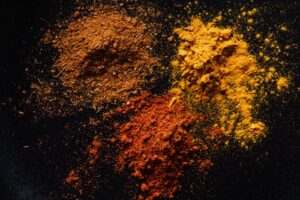
While salt is essential, spices are what transform a good sausage into a great one. The key is restraint and balance.
The Role of Spices
Spices enhance flavor, contribute aroma, and even affect texture. They can make sausages chewier or firmer, add smokiness, and bring depth to a relatively simple meat blend.
Common Mistakes
-
Over-spicing: Too many spices can clash and mask the meat’s natural flavor.
-
Using strong aromatics: Onions, garlic, and gorgonzola can overwhelm delicate sausages. Use sparingly or in recipes designed for bold flavors.
-
Ignoring complementary flavors: Consider which spices pair well with your meat:
-
Pork: Sage, nutmeg, fennel, paprika
-
Beef: Coriander, cumin, black pepper, chili
-
Chicken/Turkey: Thyme, rosemary, sage, lemon zest
-
Practical Tips
-
Start with a simple seasoning profile and adjust gradually.
-
Use freshly ground spices when possible. They are more aromatic and provide a livelier flavor than pre-ground options.
-
Consider liquid seasonings like Worcestershire sauce, soy sauce, or wine to add depth, but balance them carefully to avoid excess moisture.
Additional Tips for Exceptional Sausages
Stuffing
The casing choice and stuffing technique affect both texture and flavor. Natural casings give a pleasant snap, while synthetic casings are easier to handle for beginners. Avoid overstuffing to prevent bursting; leave a little room for expansion during cooking.
Curing and Fermentation
Some sausages benefit from curing (salt and nitrites) or fermentation (lactic acid bacteria). These processes develop unique flavors, improve shelf-life, and create traditional sausages like salami or chorizo.
Resting
After cooking, let sausages rest for a few minutes. This allows juices to redistribute and improves overall tenderness.
My Personal Observations
Through years of experimentation, I’ve noticed some key patterns:
-
Simpler is often better. A great sausage highlights the meat first, not the spices.
-
Experiment with cooking methods. Charred, smoky exteriors versus gently pan-fried links can completely change the eating experience.
-
Fat, salt, and moisture balance are non-negotiable. These are the foundations upon which all other flavors are built.
-
Fresh, high-quality ingredients make a measurable difference, even if you follow the exact same recipe.
Conclusion
Making sausages that truly taste better is a blend of art and science. It requires attention to meat quality, salt, fat, cooking technique, and seasoning balance. By focusing on these five key areas, you can turn even a simple homemade sausage into something remarkable.
Remember, sausage making is a journey. Start small, experiment, and keep a diary of your results. Over time, you’ll develop a sense for what works best for your taste and style. And the best part? You’ll be rewarded with sausages that are juicy, flavorful, and perfectly balanced every single time.

Spices Masala is a contributor at Spices Masala. We are committed to providing well-researched, accurate, and valuable content to our readers.