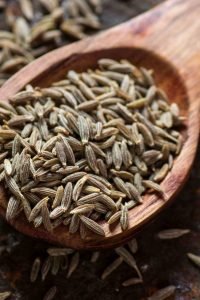
Cardamom is one of those magical spices that can transform an ordinary dish into something aromatic, warm, and flavorful. While most people use it ground or in pods for tea and curries, roasting cardamom seeds brings out a deeper, nuttier aroma and intensifies their flavor. I’ve been experimenting with roasting a spoonful of cardamom for small doses in recipes or as a little extra gift for friends, and I’ve found a simple, minimalist way to do it efficiently.
This guide is about roasting small amounts—a spoonful at a time—perfect for sprinkling on oatmeal, rice pudding, ice cream, or even just enjoying as a fragrant snack.
What You Need
-
Cardamom seeds (green cardamom works best for sweet and savory dishes).
-
A spoon (any metal spoon will do).
-
A dry skillet (cast iron is ideal) or a gas burner.
-
Patience.
That’s it. No complicated equipment, no extra energy wasted, and no cloud of smoke filling your kitchen.
Step-by-Step: Roasting a Spoonful of Cardamom
1. Measure Out Your Seeds
Take a spoonful of cardamom seeds. Not too many—you don’t need more than a teaspoon or so for a single serving or recipe. If you’re giving them away as a little treat, a spoonful is just perfect.
2. Heat the Seeds
Place the spoon in a dry cast iron skillet over medium heat. Stir occasionally to ensure the seeds roast evenly. This usually takes about five minutes. You’ll know they’re ready when the aroma fills the kitchen—warm, spicy, and slightly nutty.
-
Tip: Avoid high heat, which can burn the seeds. Low and steady roasting releases the oils without bitterness.
3. Taste and Enjoy
Carefully remove the spoon from the skillet. Let it cool slightly, then chew a seed or two. The roasted cardamom will release its sweet, herbal notes with a hint of smokiness.
4. Use in Recipes
Sprinkle the remaining seeds on oatmeal, rice pudding, or desserts. You can also grind them into a powder for spicing teas, coffee, or baked goods. A little goes a long way, as roasted cardamom is intensely flavorful.
Why Roast Cardamom?
Roasting cardamom isn’t just about flavor—it’s about unlocking the essential oils inside the seeds. These oils give cardamom its signature aroma and taste:
-
Eugenol: Adds warm, spicy-sweet notes.
-
Terpenes: Contribute to the floral, citrusy undertones.
-
Cineole: Offers a subtle freshness that brightens dishes.
Roasted cardamom is more aromatic than raw seeds and adds a nuanced depth that even ground cardamom cannot fully replicate. It’s a small step that makes a big difference.
My Roasting Experiments
When I first tried roasting cardamom seeds, I did it in a slightly cumbersome way: roasting large batches in a pan with oil, producing a lot of smoke and wasting energy. After some experimentation, I realized that a spoonful at a time works just as well for daily use and gifts.
-
Small batches save time and energy.
-
They reduce smoke.
-
They preserve freshness, as cardamom loses potency if roasted in large amounts and stored for weeks.
Buying Cardamom
Finding high-quality cardamom can be tricky, especially in the U.S. I’ve tried multiple local grocery stores without success, and even Amazon or specialty stores can be hit-or-miss. Eventually, I found The Spice House, which sells cardamom in small quantities:
-
1/2 ounce for $6
-
1 pound for $27
This makes it affordable to experiment with small batches without wasting money.
-
Tip: If using pods, crack them open to access the seeds. For recipes that call for ground cardamom, grinding roasted seeds just before use preserves their flavor.
You Might Also Enjoy: 5 Things You Should Know When Adding Chili Powder to Your Cooking
Using Roasted Cardamom
Here are some ideas for adding roasted cardamom to your dishes:
-
Breakfast: Sprinkle on oatmeal, yogurt, or rice pudding.
-
Desserts: Use on ice cream, custards, or baked goods.
-
Curries: Add roasted seeds to Indian or Middle Eastern stews and curries for a subtle aromatic lift.
-
Beverages: Grind a few roasted seeds into tea, coffee, or chai.
A little roasted cardamom goes a long way, so start with small amounts and adjust according to taste.
A Word About Storage
Roasted cardamom seeds contain oils that can go rancid if exposed to heat, light, or air. To store them:
-
Keep them in an airtight container.
-
Store in a cool, dark place.
-
Use within a few weeks for optimal flavor.
Grinding seeds too early can also lead to flavor loss, so roast and grind only what you plan to use immediately.
A Bit of Cardamom Science
Cardamom is part of the ginger family and is native to India. It is also cultivated in Sri Lanka and Guatemala, where it is known as “Java Cardamom.” Its essential oils are the key to its fragrance and flavor.
-
Seed pods: Often blanched and dried before use.
-
Color: Ranges from brown-black to chestnut-brown to grayish white, depending on drying conditions.
-
Flavor: Sweet, slightly citrusy, and warming.
Roasting enhances these qualities and makes them more pronounced in cooking.
Final Thoughts
Roasting a spoonful of cardamom is easy, efficient, and rewarding. It requires minimal equipment, produces no excess smoke, and results in a spice that is aromatic, warm, and versatile. Whether sprinkled on desserts, stirred into beverages, or added to a curry, roasted cardamom adds a subtle depth that transforms everyday dishes.
Give it a try—you might find yourself reaching for a spoonful of roasted cardamom every day!

Spices Masala is a contributor at Spices Masala. We are committed to providing well-researched, accurate, and valuable content to our readers.