Introduction
When you think of Indian cuisine, the vibrant colors, smoky aromas, and complex layers of flavor often come to mind. Among the many spice blends that give Indian dishes their signature taste, tandoori masala holds a special place. This deep red-orange mixture of spices has become synonymous with iconic dishes like tandoori chicken, paneer tikka, and seekh kebabs.
But what exactly is tandoori masala? Is it just chili powder, or something more intricate? How is it used, and can you make it at home? This guide will explore everything you need to know about tandoori masala—its history, ingredients, culinary uses, health benefits, and even how to prepare a general version of it yourself.
What is Tandoori Masala?
At its core, tandoori masala is a spice blend used to flavor foods cooked in a tandoor, a traditional Indian clay oven. The word tandoor comes from Persian and Hindi/Urdu origins, meaning “clay oven,” while masala simply means “spice blend” in Hindi.
Tandoori masala is not a single spice but a carefully balanced mixture that typically includes:
-
Coriander
-
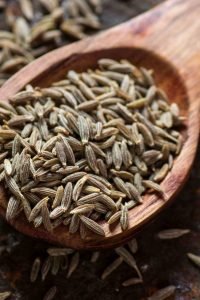
Cumin
-
Turmeric
-
Paprika or Kashmiri chili powder (for color)
-
Cloves
-
Cardamom
-
Cinnamon
-
Black pepper
-
Fenugreek
-
Ginger
-
Garlic powder
The result is a blend that is smoky, spicy, earthy, and slightly sweet. It can vary widely depending on the region, brand, or the individual chef who prepares it.
A Brief History of Tandoori Masala
The origins of tandoori masala are closely tied to the history of tandoor cooking in India.
-
Ancient Roots: Clay ovens have been used for centuries across Central Asia, Persia, and India for baking bread and roasting meat. The concept of seasoning foods with spice blends likely developed alongside these methods.
-
Mughal Influence: During the Mughal Empire (16th–19th century), rich, aromatic cooking styles flourished. Spice blends became central to marination and roasting, laying the groundwork for what would later become tandoori masala.
-
Modern Popularization: The widely accepted story credits Kundan Lal Gujral, the founder of Moti Mahal restaurant in Delhi, with popularizing tandoori chicken in the 1940s after the Partition of India. His use of yogurt marinades and spice blends helped give birth to what we now recognize as tandoori masala.
Today, tandoori masala is not just limited to India—it’s widely used in Pakistani cuisine, has spread to Middle Eastern cooking, and has become a global staple in Indian restaurants across Europe and North America.
Key Ingredients of Tandoori Masala
While the exact ingredients differ by recipe or brand, most tandoori masalas share a common foundation:
1. Coriander Seeds
Adds citrusy, nutty undertones.
2. Cumin
Earthy and slightly smoky, essential for balance.
3. Turmeric
Provides a golden hue and mild bitterness, also known for health benefits.
4. Red Chilies or Kashmiri Chili Powder
Adds heat and deep red color without overwhelming spiciness.
5. Cloves, Cinnamon, Cardamom
These warming spices contribute sweetness, depth, and aromatic notes.
6. Fenugreek
Imparts a slightly bitter, nutty taste.
7. Ginger & Garlic
Powdered versions are often included to enhance savory notes.
8. Paprika
Used in many Western variations for milder heat and bright red color.
Each spice plays a role in balancing heat, sweetness, and smokiness, making the masala versatile for both meat and vegetarian dishes.
How is Tandoori Masala Used in Cooking?
Tandoori masala is incredibly versatile. Traditionally, it is used as part of a marinade, often mixed with yogurt, lemon juice, and sometimes oil, to coat meats and vegetables before cooking in a clay oven. However, its applications go far beyond that.
1. Marinades for Meat and Seafood
-
Tandoori Chicken – The most famous use. Chicken is marinated in yogurt, lemon, and tandoori masala before being roasted.
-
Lamb Kebabs or Seekh Kebabs – Ground lamb is spiced with tandoori masala and skewered.
-
Tandoori Fish or Prawns – Delicate seafood picks up the smoky, spicy notes beautifully.
2. Vegetarian Applications
-
Paneer Tikka – Cubes of paneer (Indian cottage cheese) are marinated and grilled.
-
Tandoori Cauliflower or Broccoli – Vegetables gain a deep, charred flavor.
-
Tofu Tandoori – A vegan twist using tofu instead of paneer.
3. Beyond the Tandoor
Even if you don’t have a clay oven, you can use tandoori masala in:
-
Grilled or roasted dishes (oven or BBQ)
-
Pan-fried snacks
-
Curries and gravies (for added depth)
-
Soups and stews (a pinch adds warmth and complexity)
Health Benefits of Tandoori Masala
Aside from its bold flavor, tandoori masala offers several nutritional and health benefits, thanks to its natural ingredients:
-
Anti-inflammatory properties – from turmeric, ginger, and garlic.
-
Rich in antioxidants – from spices like cinnamon, cloves, and cardamom.
-
Boosts metabolism – chili peppers contain capsaicin, which may increase calorie burn.
-
Aids digestion – cumin, coriander, and fenugreek are known digestive aids.
-
Immune support – garlic, ginger, and turmeric support immunity.
While individual benefits depend on the amount used, incorporating tandoori masala into meals can make dishes both flavorful and health-supportive.
How to Make Tandoori Masala at Home (General Blend Outline)
Making your own tandoori masala allows you to adjust flavors to your liking. Here’s a general outline:
Basic Ingredients
-
Coriander seeds (2 parts)
-
Cumin seeds (1 part)
-
Turmeric (1 part)
You Might Also Enjoy: What is Chat Masala? 10 Best Chat Masala Brands and Where to Buy Them -
Kashmiri red chili powder or paprika (2 parts)
-
Cloves (a small handful)
-
Cinnamon stick (1 stick or 1 part ground)
-
Green cardamom (4–5 pods)
-
Black peppercorns (½ part)
-
Fenugreek seeds (½ part)
-
Garlic powder (1 part)
-
Ginger powder (1 part)
Method
-
Lightly roast whole spices (coriander, cumin, cloves, cinnamon, cardamom, peppercorns, fenugreek) until aromatic.
-
Let them cool, then grind into a fine powder.
-
Mix with the ground turmeric, chili powder, ginger, and garlic.
-
Store in an airtight container in a cool, dark place for up to 3 months.
This blend can be used directly in marinades, curries, or sprinkled over grilled foods.
Popular Dishes with Tandoori Masala
-
Tandoori Chicken – The classic dish that made the spice blend famous.
-
Chicken Tikka – Boneless chicken chunks skewered and grilled.
-
Paneer Tikka – A vegetarian favorite.
-
Seekh Kebabs – Ground meat kebabs infused with masala.
-
Tandoori Naan – Bread brushed with masala-infused butter.
-
Tandoori Fish – Marinated and roasted fish with smoky flavors.
Buying and Storing Tandoori Masala
Buying
-
Look for reputable Indian brands (like MDH, Everest, or Shan).
-
Check for freshness—bright red or orange hues usually indicate quality.
-
Choose according to spice level (some blends are hotter than others).
Storing
-
Keep in an airtight container.
-
Store in a cool, dry place away from sunlight.
-
Use within 3–6 months for best flavor.
Substitutes for Tandoori Masala
If you don’t have tandoori masala on hand, you can try these substitutes:
-
Garam Masala + Chili Powder + Paprika – Gets close to the flavor.
-
Curry Powder + Smoked Paprika – Works in a pinch, though less authentic.
-
Homemade Quick Blend – Mix cumin, coriander, paprika, turmeric, and garlic.
FAQs about Tandoori Masala
1. Is tandoori masala spicy?
It’s mildly to moderately spicy, depending on the chili content. Kashmiri chili powder often gives more color than heat.
2. Can I use tandoori masala without a tandoor oven?
Yes! It works perfectly in a regular oven, on the grill, or even pan-fried dishes.
3. What’s the difference between tandoori masala and garam masala?
-
Tandoori masala: Made for marinades and grilling, smoky, chili-forward.
-
Garam masala: A warming spice blend added at the end of cooking for fragrance.
4. Does tandoori masala contain artificial coloring?
Some commercial blends do. If you want natural color, choose brands that use Kashmiri chili instead of synthetic dyes.
Conclusion
Tandoori masala is more than just a spice blend—it’s a reflection of India’s culinary heritage. From ancient clay ovens to modern kitchens worldwide, it has transformed simple meats and vegetables into smoky, flavorful delights.
Whether you buy it ready-made, mix your own at home, or use it as inspiration for new dishes, this essential spice blend will elevate your cooking. Add it to marinades, sprinkle it over roasted veggies, or stir it into soups—you’ll unlock the vibrant, authentic taste of India in every bite.

Spices Masala is a contributor at Spices Masala. We are committed to providing well-researched, accurate, and valuable content to our readers.