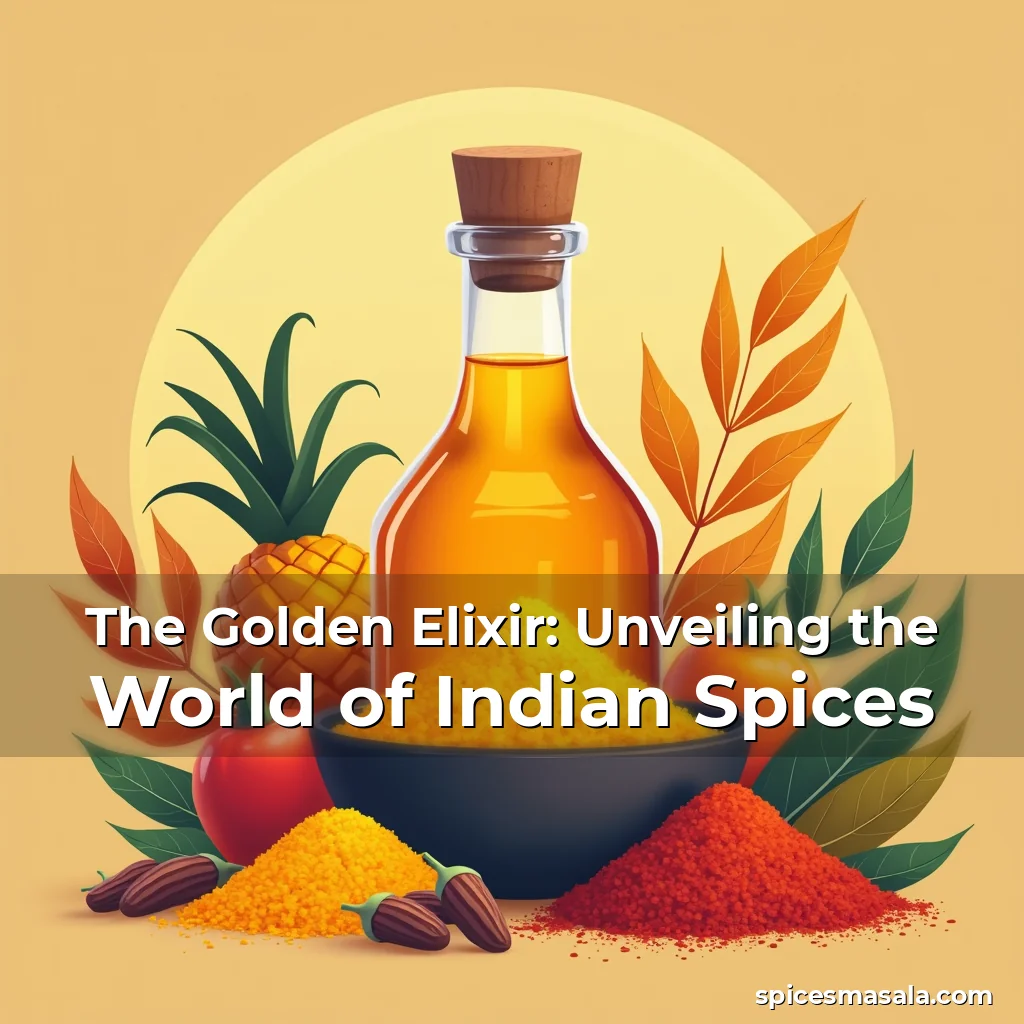
The Golden Elixir: Unveiling the World of Indian Spices
India’s spice heritage is a tapestry woven from centuries of tradition, trade, and culinary artistry. From the fiery heat of cayenne pepper to the earthy warmth of cardamom, these aromatic treasures have shaped not only Indian cuisine but also global gastronomy.
This exploration delves deep into the heart of India’s spice culture, revealing how each ingredient tells a story of geography, history, and human ingenuity.
The Historical Roots of Indian Spices
Spices have been integral to Indian life since ancient times, with archaeological evidence dating back over 6,000 years. The Indus Valley civilization traded black pepper and turmeric across early trade routes.
During the Mauryan Empire, spices became symbols of wealth and power. Emperor Ashoka even referenced their importance in royal feasts and religious rituals.
- Vasco da Gama: His 1498 voyage to Calicut marked the beginning of European interest in Indian spices, leading to colonial exploitation.
- Silk Road Influence: Arab traders brought coriander and saffron to India while taking ginger and cinnamon westward along ancient trade networks.
Cultivation and Geography of Spice Production
India’s diverse climate zones create ideal conditions for cultivating over 200 varieties of spices. Kerala’s tropical monsoons nurture cardamom plantations at elevations above 1,000 meters.
Tamil Nadu’s fertile soil produces some of the world’s finest pepper crops, while Karnataka dominates the production of red chilies used in traditional garam masalas.
Regional Specializations in Spice Farming
Kerala accounts for nearly 70% of global cardamom supply, with its labor-intensive harvesting methods preserving the pods’ delicate aroma. These hand-harvested seeds are often called “black gold” due to their high value.
In contrast, Andhra Pradesh leads national chili production, supplying both raw chilies and ground powders that form the backbone of many regional curries and pickles.
The Science Behind Flavor Profiles
Each spice contains unique chemical compounds that contribute to flavor complexity. Turmeric’s vibrant color comes from curcumin, which also provides anti-inflammatory benefits beyond mere taste enhancement.
Gingerol gives fresh ginger its spicy bite, while capsaicin creates the burning sensation associated with hot peppers. These compounds work together to create layered sensory experiences.
Traditional Uses Beyond Cooking
Beyond enhancing food, Indian spices play crucial roles in Ayurveda medicine. Black pepper enhances nutrient absorption when combined with other herbs through a process known as bioavailability augmentation.
Turmeric has been used for centuries in skincare treatments, with modern research confirming its antioxidant properties help reduce inflammation and promote wound healing.
- Panchakarma Therapy: This Ayurvedic detoxification process uses mustard oil infused with fenugreek and cumin to rejuvenate the body.
- Rasayana Practices: Ancient texts describe using ashwagandha mixed with cloves and fennel to enhance vitality and longevity.
Modern Applications and Global Impact
Today, Indian spices dominate international markets, contributing significantly to the country’s export economy. In FY2023, spice exports reached $1.8 billion, with demand growing steadily worldwide.
Supermarkets now stock pre-packaged spice blends catering to home cooks unfamiliar with authentic combinations. However, purists argue that these commercial mixes lack the depth achieved through careful layering techniques.
- Sustainable Harvesting: Organic farming initiatives in Tamil Nadu aim to preserve biodiversity by avoiding synthetic pesticides near native pepper groves.
- Eco-Friendly Packaging: Companies like Spicy Planet use biodegradable pouches made from cornstarch to reduce plastic waste in spice distribution chains.
The Art of Spice Blending
Mastery of spice blending requires understanding how different ingredients interact. A classic garam masala might combine 1/2 cinnamon stick, 1 star anise, and 1 tablespoon of whole cloves before grinding them freshly.
The order of addition matters greatly – adding garlic after onions prevents it from becoming bitter during long cooking periods. Skilled chefs know precisely when to introduce each element.
Preserving Freshness and Quality
To maintain potency, store spices in airtight containers away from direct sunlight. Whole peppercorns retain quality longer than pre-ground versions, losing up to 40% of their oils within six months.
Dry storage keeps cardamom pods fresh for two years, whereas ground cardamom loses flavor rapidly. Refrigeration helps extend shelf-life but may cause condensation issues if containers aren’t sealed properly.
Famous Spice Markets Around India
Chennai’s Koyambedu Market handles over 10,000 tons of spices annually, serving as Asia’s largest wholesale market for dried goods. Vendors sell everything from crushed sumac to rare Szechuan peppercorns imported from China.
Hyderabad’s Charminar area hosts weekly bazaars where street vendors offer ready-to-use spice mixtures tailored for biryanis and kebabs. Tourists can watch artisans manually grind cinnamon bark into fine powder right before purchasing.
Common Misconceptions About Indian Spices
Many believe that hotter means better, but true mastery lies in balance rather than intensity. A well-executed mild curry can be more satisfying than an overly spicy dish lacking subtlety.
Some think all Indian dishes require extensive spice usage, yet simple recipes like dal or vegetable korma demonstrate how minimal seasoning can yield remarkable results when done correctly.
- Heat vs. Flavor: Cayenne pepper adds fire without complexity, whereas Kashmiri chillies provide color and smokiness alongside heat.
- Whole vs. Ground: Freshly ground nutmeg retains more volatile oils than pre-ground versions sold in supermarkets, affecting final flavor profiles dramatically.
The Future of Indian Spices
Advancements in molecular gastronomy could redefine how we experience spices. Scientists experiment with encapsulation technologies to release flavors gradually during cooking processes.
Biotechnology firms develop disease-resistant strains of pepper plants that thrive under changing climatic conditions, ensuring future sustainability of key crop species.
Conclusion
Indian spices represent more than just ingredients; they embody cultural identity, historical narratives, and scientific innovation intertwined seamlessly.
Whether you’re a seasoned chef or curious beginner, exploring these golden treasures offers endless opportunities for discovery, learning, and creating unforgettable culinary experiences.
“`

news is a contributor at Spices Masala. We are committed to providing well-researched, accurate, and valuable content to our readers.