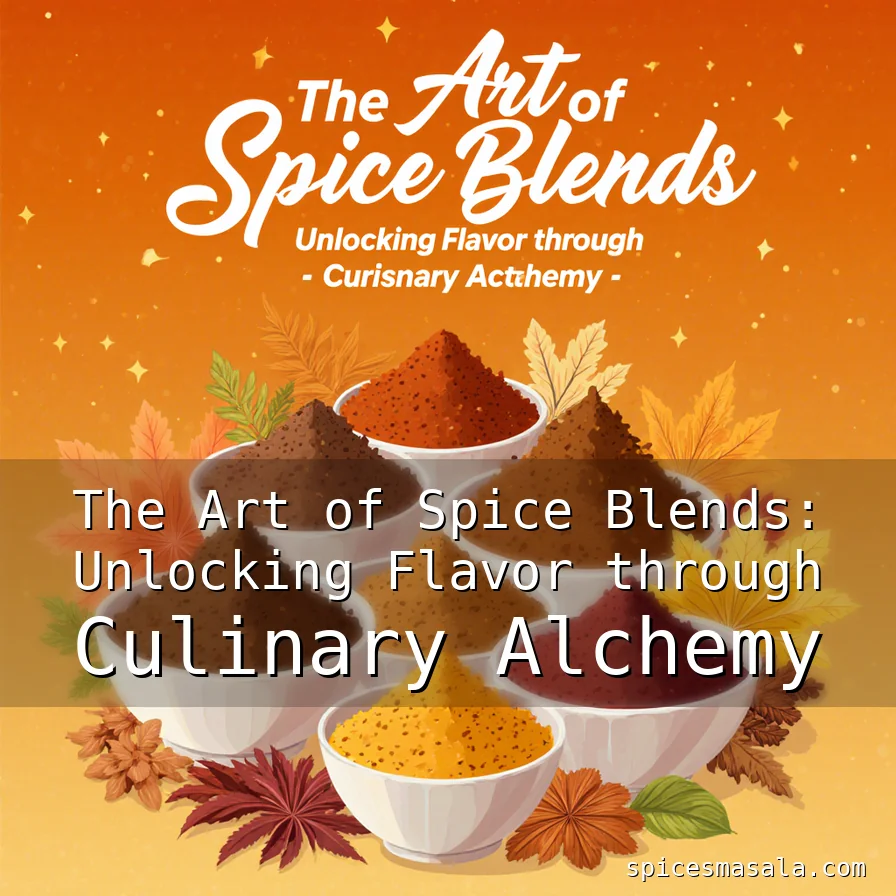
The Art of Spice Blends: Unlocking Flavor through Culinary Alchemy
In the vibrant world of global cuisine, spice blends stand as the unsung heroes that transform ordinary meals into extraordinary feasts. These carefully curated combinations of herbs and seasonings are not merely ingredients; they are the soul of countless dishes across cultures.
From the smoky warmth of garam masala to the zesty kick of harissa, spice blends hold the power to elevate flavors and evoke memories tied to our most cherished recipes. Understanding their history, composition, and application can unlock new dimensions of taste in every kitchen.
The Evolution of Spice Blends Across Cultures
Spice blending is an ancient practice rooted in both necessity and artistry. Early civilizations used available local ingredients to create flavor profiles that matched their dietary needs and environmental conditions.
Archaeological evidence suggests that Mesopotamians combined cumin and coriander over 6,000 years ago to enhance simple grains and meats. Similarly, Egyptian priests mixed frankincense with myrrh for religious ceremonies while also using these resins to preserve food.
- Cultural Significance: In many societies, specific spice blends have held ceremonial importance beyond mere culinary use
- Economic Impact: The demand for exotic spices fueled historical trade routes such as the Silk Road and the Spice Route
As maritime exploration expanded during the Age of Discovery, European traders encountered new spice combinations from Asia and Africa. This cross-cultural exchange led to the creation of hybrid blends still popular today.
The Columbian Exchange introduced New World ingredients like chili peppers to Old World cuisines, resulting in transformative changes to traditional spice profiles worldwide.
Understanding the Science Behind Flavor Synergy
At its core, successful spice blending relies on understanding how different compounds interact. Flavors can be categorized into five basic tastes: sweet, sour, salty, bitter, and umami, but true complexity comes from aroma compounds.
Volatile aromatic molecules released when heating spices activate olfactory receptors in the nose, creating what we perceive as flavor. This process explains why certain spice combinations work so well together despite having distinct individual profiles.
For example, the pairing of cinnamon and cloves creates a warm spiciness because they share similar chemical structures in their essential oils. Conversely, contrasting elements like citrus zest and cardamom add refreshing brightness to richly spiced dishes.
Professional chefs often use the concept of “flavor wheels” to visualize relationships between different spice components. This helps them predict which pairings will complement rather than clash.
Essential Components of Effective Spice Blends
A great spice blend typically contains three key types of ingredients working in harmony. Base notes provide depth, middle notes offer balance, and top notes deliver immediate impact when first tasted.
Bold spices like black pepper or paprika form the foundation by adding heat and structure. Middle-range components such as turmeric or ginger add layers without overwhelming other flavors.
Fine powders like nutmeg or saffron act as finishing touches, contributing subtle nuances that linger on the palate long after swallowing. Proper proportioning ensures none of these elements overpower each other.
Some experts recommend following the rule of thumb: base spices make up 60% of the mixture, mid-level spices account for 30%, and finishing spices complete the remaining 10%. However, this ratio may vary depending on intended usage.
Popular Global Spice Blend Traditions
Different regions have developed distinctive spice traditions based on geography, climate, and cultural preferences. Let’s explore some iconic examples from around the world:
Indian Cuisine: A Symphony of Spices
India boasts an incredible diversity of regional spice blends reflecting centuries-old culinary traditions. From Kerala’s Karimeen Pollichathu to Punjab’s Amritsari Chole, each region has perfected its own signature mixtures.
Garam masala remains one of the most recognizable Indian spice blends. Made primarily from ground whole spices like cinnamon, cardamom, and cloves, it adds warmth and complexity to curries and stews.
Panch Phoron combines fennel seeds, nigella seeds, mustard seeds, fenugreek, and cumin to create a piquant flavor profile. This Bengali blend is traditionally used in lentil dishes and vegetable preparations.
Chaat masala offers a tangy twist with its inclusion of amchur (mango powder), dried mango, and sometimes even chaatni salt. It’s perfect for enhancing street foods like samosas and pakoras.
Middle Eastern Delights: Harissa, Za’atar, and More
The Middle East showcases another dimension of spice mastery through creations like harissa paste and za’atar seasoning. These blends reflect deep-rooted culinary practices passed down through generations.
Za’atar is made from thyme, sesame seeds, sumac, and salt, offering a savory-sour combination ideal for bread dipping or sprinkling over roasted vegetables. Its versatility makes it a staple in Levantine kitchens.
Harissa, originating from North Africa, features red bell peppers blended with various hot chilies, garlic, and olive oil. The result is a fiery condiment capable of transforming simple dishes into bold experiences.
Saffron threads soaked in warm water become an integral part of Persian cooking, lending both color and fragrance to rice dishes like tahdig and pilaf variations.
Asian Fusion: Gochujang, Five-Spice, and Curry Powders
Asia presents yet another fascinating array of spice blends shaped by diverse climates and ingredient availability. Korean gochujang provides a fermented heat unlike any other, while Chinese five-spice delivers complex aromatics.
Korean gochujang consists mainly of glutinous rice, soybeans, and fermented chili paste. This thick, reddish-brown sauce serves as both a condiment and a flavor enhancer in numerous Korean dishes.
Chinese five-spise blends star anise, Sichuan peppercorns, cloves, cassia bark, and ginger. When properly balanced, these components produce a harmonious symphony of sweet, spicy, and numbing sensations.
Curry powders vary significantly by country, with British adaptations differing notably from Indian originals. Each version maintains a core set of warming spices while incorporating regional specialties.
Crafting Your Own Signature Spice Blend
Creating custom spice blends allows for personal expression in the kitchen. Begin by identifying the primary purpose of your blend – whether it’s for roasting meats, enhancing soups, or adding flair to grilled vegetables.
Select a few foundational spices that will serve as anchors for your mixture. Consider the intensity levels required for your intended dish before choosing supporting ingredients that will either complement or contrast with those bases.
Taste-testing at regular intervals is crucial during development stages. Adjust proportions gradually until you achieve desired balance between heat, sweetness, acidity, bitterness, and umami characteristics.
Storage techniques play an equally vital role in maintaining quality. Keep finished blends in dark glass jars away from direct sunlight and moisture to preserve freshness and potency over time.
Modern Innovations in Spice Blending Techniques
Advancements in technology have revolutionized how we approach spice blending today. Vacuum sealing preserves volatile essences better than conventional storage methods, ensuring longer shelf life without losing potency.
Nanotechnology applications allow for microencapsulation of delicate spices, protecting sensitive compounds until ready for use. This innovation enables precise control over release rates during cooking processes.
Smart kitchen appliances now feature built-in spice grinders with programmable settings tailored specifically for different types of blends. These devices optimize grinding times and temperatures based on ingredient properties.
Online platforms connect home cooks globally, facilitating sharing of unique spice combinations through digital recipe exchanges and virtual tasting sessions conducted via video conferencing tools.
Sustainable Practices in Spice Production
With growing awareness about environmental sustainability, eco-friendly approaches to spice cultivation and processing have gained momentum in recent years. Organic farming methods reduce reliance on synthetic fertilizers and pesticides.
Regenerative agriculture practices help restore soil health while producing high-quality raw materials free from harmful residues. Fair-trade initiatives ensure ethical treatment of workers involved in harvesting and processing operations.
Energy-efficient drying techniques minimize carbon footprint associated with spice production cycles. Some producers utilize solar-powered dehydrators to maintain product integrity while reducing energy consumption.
Biodegradable packaging solutions replace plastic containers commonly used for storing bulk spice blends. These environmentally responsible choices support broader conservation efforts within the industry.
Conclusion
Spice blends represent much more than just combinations of dried herbs and seasonings; they embody stories woven through generations of culinary tradition and innovation. Their influence extends far beyond mere flavor enhancement.
By appreciating the intricate interplay between science and culture behind these remarkable mixes, we open doors to greater creativity in our own cooking adventures. Whether experimenting with classic formulas or crafting entirely new ones, there’s always room for discovery when exploring the wonderful world of spice blends.

news is a contributor at Spices Masala. We are committed to providing well-researched, accurate, and valuable content to our readers.