The Art of Spice Preservation: Techniques to Keep Your Spices Fresh and Flavorful for Years
In the vibrant world of spices and masalas, preserving their potency is an art form that requires attention to detail and traditional wisdom. Whether you’re a home cook, a professional chef, or part of the spicesmasala community, understanding how to store and preserve your beloved seasonings can make all the difference in flavor and quality.
Spices are the heart of global cuisines, but they also have a shelf life that depends heavily on storage conditions. By mastering effective preservation techniques, you ensure every dish bursts with authentic taste while reducing waste and saving money over time.
Understanding Spice Shelf Life and Degradation Factors
Every spice has its own lifespan influenced by environmental factors such as heat, light, moisture, and air exposure. These elements work together to degrade essential oils responsible for aroma and flavor intensity.
A study published in the Journal of Food Science found that even high-quality spices lose up to 60% of their potency within six months when stored improperly. This loss affects both culinary outcomes and economic value for those who rely on consistent seasoning strength.
The primary culprits behind spice degradation include:
- Heat: Excessive warmth accelerates chemical reactions that break down volatile compounds
- Light Exposure: UV rays trigger oxidation processes that diminish color and fragrance
- Moisture: Water molecules interact with aromatic compounds leading to mold growth and rancidity
- Oxygen: Air promotes enzymatic activity which degrades natural flavors over time
Recognizing these degradation pathways allows us to implement targeted preservation strategies tailored specifically for different types of spices. For instance, whole spices generally last longer than ground varieties due to less surface area exposed to external elements.
Creative Storage Solutions for Long-Term Preservation
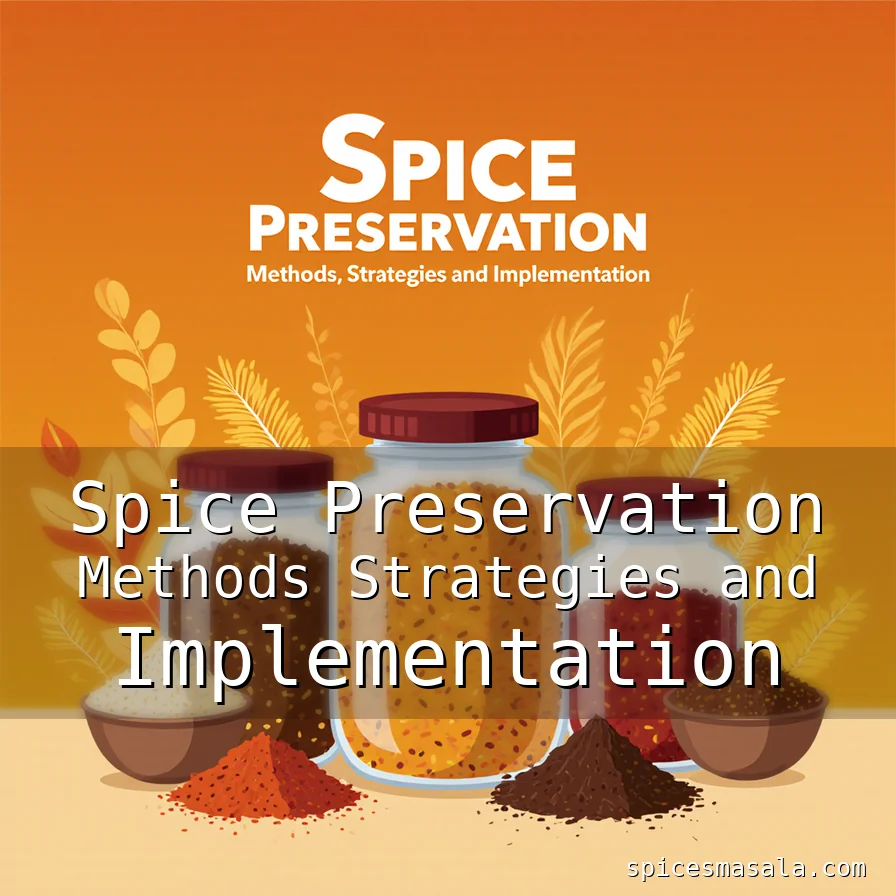
Innovative storage solutions go beyond basic containers to create optimal environments for each type of spice. From vacuum-sealed pouches to desiccant-filled jars, modern technology offers enhanced protection against spoilage.
Traditional methods remain popular among spice enthusiasts seeking authenticity. Handmade ceramic jars with tight-fitting lids provide excellent insulation from temperature fluctuations commonly found in kitchen cabinets. Some cultures still use earthenware vessels lined with beeswax for additional barrier properties.
The Role of Container Material Selection
Different materials offer distinct advantages depending on storage requirements. Glass containers allow visual inspection of contents without opening them, making it easy to monitor freshness levels at a glance.
Plastic containers prove useful for bulk storage where weight becomes a consideration. However, darker-colored plastics help minimize light-induced deterioration compared to clear alternatives.
Metal tins present another viable option particularly suitable for oil-based spices like curry powders containing turmeric or cumin blends. Their non-reactive nature prevents unwanted chemical interactions between metal surfaces and sensitive ingredients.
Optimal Environmental Conditions for Spice Storage
Creating ideal microclimates around stored spices significantly extends their usability period. Maintaining stable temperatures below 70°F (21°C) helps slow molecular movement that leads to breakdown processes.
Humidity control plays equally crucial role; excess dampness invites microbial proliferation whereas overly dry conditions may cause crystallization issues especially noticeable in salt-heavy mixes used frequently during cooking sessions.
To achieve balanced humidity levels consider placing silica gel packets inside storage areas alongside regular monitoring through hygrometer readings. Adjustments might be necessary based upon seasonal changes affecting indoor climate patterns across various regions globally.
Precision Measuring Techniques to Maximize Shelf Life
Accurate measurement ensures minimal exposure duration whenever accessing stored spices. Using measuring spoons rather than scooping directly from containers reduces risk of contamination and maintains original packaging integrity longer.
For commercial operations handling large volumes, automated dispensing systems equipped with sensors detect fill levels precisely before releasing pre-measured portions automatically. Such technologies reduce human error while maintaining consistency across batches produced daily.
Revitalization Methods for Waning Spices
Sometimes despite best efforts, spices begin losing vigor naturally over extended periods. Several revitalization approaches restore some level of functionality back into aged products without needing complete replacement.
One method involves reconstituting dried herbs by briefly steaming them in tightly sealed bags placed near boiling water sources. The generated steam infuses dormant cells with renewed vitality temporarily enhancing their sensory profile.
An alternative technique employs alcohol extraction using grain spirits or brandy infused overnight in closed glass bottles. Strained liquid retains much of original character albeit slightly diluted version worthy for marinades or sauces requiring subtler notes rather than bold statements.
Modern Technology’s Impact on Spice Conservation
Advancements in material science now enable development of smart containers capable of tracking internal conditions via embedded sensors transmitting data wirelessly to mobile devices connected remotely.
Nanotechnology applications show promise too – microscopic coatings applied onto inner surfaces prevent oxygen ingress effectively extending viability timelines substantially beyond conventional means available previously.
These innovations align well with sustainability goals prevalent today amongst conscious consumers aiming towards zero-waste lifestyles centered around mindful consumption practices involving food items including specialty seasonings cherished worldwide.
Community Wisdom & Cultural Practices Across Global Cuisines
Diverse cultural traditions reveal fascinating insights regarding local preferences concerning preservation methodologies adopted historically across continents shaping contemporary approaches embraced universally nowadays.
Indian households often utilize ghee-coated cloth pouches hung strategically within cool shaded corners away from direct sunlight sources ensuring gradual yet steady release of fragrances throughout storage duration.
In Middle Eastern kitchens, clay pots known as ‘jarrah’ serve dual purposes acting simultaneously as both cooking vessel and long-term repository safeguarding precious mixtures against atmospheric influences threatening delicate balances maintained meticulously through generations passed down orally within families.
Economic Implications of Effective Spice Management Strategies
Properly managed inventory systems dramatically impact bottom lines especially relevant for restaurants operating under tight margins competing fiercely within saturated markets demanding constant innovation cycles dictated rapidly changing consumer tastes.
Data analytics tools integrated seamlessly into supply chain management platforms facilitate predictive modeling allowing accurate forecasting of demand trends thereby minimizing stockouts or overstock situations detrimental financially.
Investment made initially toward implementing robust preservation protocols yields substantial returns measured not only monetarily but also environmentally through reduced disposal needs associated with expired goods discarded prematurely because of poor maintenance procedures implemented carelessly earlier stages operation lifecycle.
Conclusion
Mastering spice preservation techniques elevates culinary experiences while contributing positively towards personal financial health and planetary wellbeing simultaneously achieving harmony between gastronomic pleasures derived consuming delicious meals prepared skillfully utilizing carefully maintained seasonings essential components thereof.
By adopting thoughtful storage habits aligned scientifically sound principles combined respectfully preserved ancestral knowledge shared freely amongst members belonging passionate communities dedicated exploring depths mysteries surrounding diverse array exotic flavors originating distant lands reaching tables homes everywhere everyday.
“` “`html
The Art of Spice Preservation: Techniques to Keep Your Spices Fresh and Flavorful for Years
In the vibrant world of spices and masalas, preserving their potency is an art form that requires attention to detail and traditional wisdom. Whether you’re a home cook, a professional chef, or part of the spicesmasala community, understanding how to store and preserve your beloved seasonings can make all the difference in flavor and quality.
Spices are the heart of global cuisines, but they also have a shelf life that depends heavily on storage conditions. By mastering effective preservation techniques, you ensure every dish bursts with authentic taste while reducing waste and saving money over time.
Understanding Spice Shelf Life and Degradation Factors
Every spice has its own lifespan influenced by environmental factors such as heat, light, moisture, and air exposure. These elements work together to degrade essential oils responsible for aroma and flavor intensity.
A study published in the Journal of Food Science found that even high-quality spices lose up to 60% of their potency within six months when stored improperly. This loss affects both culinary outcomes and economic value for those who rely on consistent seasoning strength.
The primary culprits behind spice degradation include:
- Heat: Excessive warmth accelerates chemical reactions that break down volatile compounds
- Light Exposure: UV rays trigger oxidation processes that diminish color and fragrance
- Moisture: Water molecules interact with aromatic compounds leading to mold growth and rancidity
- Oxygen: Air promotes enzymatic activity which degrades natural flavors over time
Recognizing these degradation pathways allows us to implement targeted preservation strategies tailored specifically for different types of spices. For instance, whole spices generally last longer than ground varieties due to less surface area exposed to external elements.
Creative Storage Solutions for Long-Term Preservation
Innovative storage solutions go beyond basic containers to create optimal environments for each type of spice. From vacuum-sealed pouches to desiccant-filled jars, modern technology offers enhanced protection against spoilage.
Traditional methods remain popular among spice enthusiasts seeking authenticity. Handmade ceramic jars with tight-fitting lids provide excellent insulation from temperature fluctuations commonly found in kitchen cabinets. Some cultures still use earthenware vessels lined with beeswax for additional barrier properties.
The Role of Container Material Selection
Different materials offer distinct advantages depending on storage requirements. Glass containers allow visual inspection of contents without opening them, making it easy to monitor freshness levels at a glance.
Plastic containers prove useful for bulk storage where weight becomes a consideration. However, darker-colored plastics help minimize light-induced deterioration compared to clear alternatives.
Metal tins present another viable option particularly suitable for oil-based spices like curry powders containing turmeric or cumin blends. Their non-reactive nature prevents unwanted chemical interactions between metal surfaces and sensitive ingredients.
Optimal Environmental Conditions for Spice Storage
Creating ideal microclimates around stored spices significantly extends their usability period. Maintaining stable temperatures below 70°F (21°C) helps slow molecular movement that leads to breakdown processes.
Humidity control plays equally crucial role; excess dampness invites microbial proliferation whereas overly dry conditions may cause crystallization issues especially noticeable in salt-heavy mixes used frequently during cooking sessions.
To achieve balanced humidity levels consider placing silica gel packets inside storage areas alongside regular monitoring through hygrometer readings. Adjustments might be necessary based upon seasonal changes affecting indoor climate patterns across various regions globally.
Precision Measuring Techniques to Maximize Shelf Life
Accurate measurement ensures minimal exposure duration whenever accessing stored spices. Using measuring spoons rather than scooping directly from containers reduces risk of contamination and maintains original packaging integrity longer.
For commercial operations handling large volumes, automated dispensing systems equipped with sensors detect fill levels precisely before releasing pre-measured portions automatically. Such technologies reduce human error while maintaining consistency across batches produced daily.
Revitalization Methods for Waning Spices
Sometimes despite best efforts, spices begin losing vigor naturally over extended periods. Several revitalization approaches restore some level of functionality back into aged products without needing complete replacement.
One method involves reconstituting dried herbs by briefly steaming them in tightly sealed bags placed near boiling water sources. The generated steam infuses dormant cells with renewed vitality temporarily enhancing their sensory profile.
An alternative technique employs alcohol extraction using grain spirits or brandy infused overnight in closed glass bottles. Strained liquid retains much of original character albeit slightly diluted version worthy for marinades or sauces requiring subtler notes rather than bold statements.
Modern Technology’s Impact on Spice Conservation
Advancements in material science now enable development of smart containers capable of tracking internal conditions via embedded sensors transmitting data wirelessly to mobile devices connected remotely.
Nanotechnology applications show promise too – microscopic coatings applied onto inner surfaces prevent oxygen ingress effectively extending viability timelines substantially beyond conventional means available previously.
These innovations align well with sustainability goals prevalent today amongst conscious consumers aiming towards zero-waste lifestyles centered around mindful consumption practices involving food items including specialty seasonings cherished worldwide.
Community Wisdom & Cultural Practices Across Global Cuisines
Diverse cultural traditions reveal fascinating insights regarding local preferences concerning preservation methodologies adopted historically across continents shaping contemporary approaches embraced universally nowadays.
Indian households often utilize ghee-coated cloth pouches hung strategically within cool shaded corners away from direct sunlight sources ensuring gradual yet steady release of fragrances throughout storage duration.
In Middle Eastern kitchens, clay pots known as ‘jarrah’ serve dual purposes acting simultaneously as both cooking vessel and long-term repository safeguarding precious mixtures against atmospheric influences threatening delicate balances maintained meticulously through generations passed down orally within families.
Economic Implications of Effective Spice Management Strategies
Properly managed inventory systems dramatically impact bottom lines especially relevant for restaurants operating under tight margins competing fiercely within saturated markets demanding constant innovation cycles dictated rapidly changing consumer tastes.
Data analytics tools integrated seamlessly into supply chain management platforms facilitate predictive modeling allowing accurate forecasting of demand trends thereby minimizing stockouts or overstock situations detrimental financially.
Investment made initially toward implementing robust preservation protocols yields substantial returns measured not only monetarily but also environmentally through reduced disposal needs associated with expired goods discarded prematurely because of poor maintenance procedures implemented carelessly earlier stages operation lifecycle.
Conclusion
Mastering spice preservation techniques elevates culinary experiences while contributing positively towards personal financial health and planetary wellbeing simultaneously achieving harmony between gastronomic pleasures derived consuming delicious meals prepared skillfully utilizing carefully maintained seasonings essential components thereof.
By adopting thoughtful storage habits aligned scientifically sound principles combined respectfully preserved ancestral knowledge shared freely amongst members belonging passionate communities dedicated exploring depths mysteries surrounding diverse array exotic flavors originating distant lands reaching tables homes everywhere everyday.
“`

news is a contributor at Spices Masala. We are committed to providing well-researched, accurate, and valuable content to our readers.