Sumac powder is one of the most versatile and underappreciated spices in the world. With its bold crimson hue and tangy, lemon-like flavor, it adds brightness and complexity to foods without overpowering them. Used for centuries across the Middle East, the Mediterranean, and parts of Central Asia, sumac is finally gaining popularity worldwide — not only as a kitchen spice but also as a household remedy and even as a natural dye.
This guide will walk you through everything you need to know about sumac powder: what it is, where it comes from, its flavor profile, culinary uses, recipes, cultural significance, health benefits, and even a few surprising non-culinary applications. By the end, you’ll know exactly how to incorporate sumac powder into your daily cooking and lifestyle.
What Is Sumac Powder?
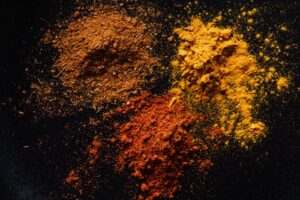
Sumac powder comes from the dried berries of the sumac shrub (Rhus coriaria), native to the Mediterranean region and parts of the Middle East. The berries are harvested when ripe, sun-dried, and ground into a coarse, brick-red powder.
-
Color: Deep red to burgundy
-
Flavor: Tart, lemony, slightly fruity, with earthy undertones
-
Texture: Grainy, similar to ground paprika
Unlike lemons, which can sometimes overpower a dish with acidity, sumac provides a milder, balanced sourness that enhances rather than dominates. This makes it a go-to seasoning for Middle Eastern and Levantine cuisine, where it is sprinkled on meats, salads, breads, and dips.
A Brief History & Cultural Significance
Sumac has been used for thousands of years. Ancient texts mention it as both a culinary spice and a medicinal plant:
-
In Roman times, sumac was prized for its tangy flavor and digestive benefits.
-
In Middle Eastern cuisine, it remains a staple, especially in dishes like fattoush salad, kebabs, and manakish flatbreads.
-
In Persian cooking, sumac often replaces lemon to season rice, grilled meats, and stews.
-
In traditional medicine, it was used as an antiseptic, to aid digestion, and to reduce inflammation.
Today, sumac powder is still central to the za’atar blend, a spice mix that includes thyme, sesame seeds, and salt, enjoyed across Lebanon, Syria, and Palestine.
The Flavor Profile of Sumac
To understand how to use sumac powder in your kitchen, you need to know its flavor:
-
Tart & citrusy: Similar to lemon juice or vinegar, but less sharp.
-
Earthy & fruity: Adds depth beyond acidity.
-
Savory enhancer: Boosts the flavors of grilled meats, roasted vegetables, or even creamy dips.
Think of sumac as a culinary bridge between acidity and spice — it wakes up a dish the way a squeeze of lemon might, but with a smoother, more complex finish.
Culinary Uses of Sumac Powder
Now let’s get practical. Here are the most common and effective ways to use sumac powder in cooking:
1. As a Finishing Sprinkle
Just like salt or pepper, sumac can be sprinkled directly onto foods:
-
Over grilled meats like lamb, chicken, or beef.
-
On top of hummus, baba ghanoush, or labneh.
-
On salads, especially fattoush, tomato-cucumber salad, or roasted vegetable bowls.
-
Over fried or poached eggs for a morning kick.
2. In Marinades & Rubs
Sumac’s acidity helps tenderize meat while flavoring it. Combine with olive oil, garlic, and herbs for a versatile marinade.
Quick Marinade Recipe:
-
2 tbsp sumac powder
-
3 tbsp olive oil
-
2 cloves garlic, minced
-
1 tsp cumin
-
Salt & pepper to taste
Recommended Reading: 5 Common Mistakes When Cooking With Five Spice Powder
Rub this mixture over chicken thighs or lamb skewers before grilling.
3. In Spice Blends
Sumac is a key ingredient in:
-
Za’atar: Blend with thyme, sesame seeds, and salt.
-
Kebabs seasoning: Mix with coriander, cumin, and paprika.
-
Homemade salad sprinkle: Mix with dried mint and sea salt.
4. As a Lemon Substitute
No lemons in the house? No problem. Sumac powder works in:
-
Salad dressings (whisk with olive oil and honey).
-
Yogurt sauces for falafel or shawarma.
-
Soups and stews to brighten the flavor.
Tip: For every tablespoon of lemon juice, substitute with 1 teaspoon of sumac powder.
5. In Beverages & Smoothies
While less traditional, sumac can be added to drinks for a tart kick:
-
In fruit smoothies (with strawberries or cherries).
-
Brewed into a tangy tea with honey.
-
Mixed into lemonade for a layered citrus profile.
6. Baking & Bread
Middle Eastern flatbreads often feature a topping of za’atar with sumac. You can also:
-
Dust it over focaccia before baking.
-
Mix into bread dough for subtle tanginess.
-
Sprinkle onto crackers or pita chips.
Featured Recipes with Sumac Powder
Here are a few recipes to get you started:
Recipe 1: Fattoush Salad
Ingredients:
-
2 cups mixed greens
-
1 cucumber, diced
-
2 tomatoes, chopped
-
1 red onion, sliced
-
1 toasted pita bread, broken into pieces
-
2 tsp sumac powder
-
Dressing: Olive oil, lemon juice, garlic, salt
Instructions:
-
Toss vegetables and pita in a bowl.
-
Sprinkle with sumac.
-
Drizzle with dressing, toss again, and serve.
You Might Also Enjoy: The Ultimate Guide to Bagel Seasoning: 10 Ways to Transform Your Bagels (and Beyond!)
Recipe 2: Sumac Chicken
Ingredients:
-
4 chicken thighs
-
2 tbsp sumac powder
-
3 tbsp olive oil
-
2 garlic cloves, minced
-
Salt and pepper
Instructions:
-
Mix sumac, oil, garlic, salt, and pepper.
-
Rub onto chicken thighs.
-
Roast at 400°F (200°C) for 35–40 minutes.
Recipe 3: Sumac Yogurt Dip
Ingredients:
-
1 cup plain Greek yogurt
-
1 tbsp sumac powder
-
1 tbsp olive oil
-
Salt to taste
Instructions:
-
Stir all ingredients together.
-
Serve with pita chips or fresh vegetables.
Non-Culinary Uses of Sumac Powder
While the kitchen is its primary home, sumac powder has other uses:
-
Natural hair dye: Mixed with henna, it adds a reddish tint.
-
Skin applications: Traditionally used in poultices for rashes and inflammation.
-
Household cleaning: The natural acidity helps break down grease.
-
Natural dye: Used to color textiles and crafts.
Health Benefits of Sumac Powder
Modern research supports some of the traditional uses of sumac:
-
Antioxidant-rich: Helps neutralize free radicals.
-
Anti-inflammatory: May help reduce swelling and joint pain.
-
Blood sugar control: Some studies show it may lower glucose levels.
-
Digestive aid: Its acidity can support digestion and reduce bloating.
Note: Always consume in moderation, and consult with a doctor before using sumac medicinally.
Buying & Storing Sumac Powder
-
Where to buy: Middle Eastern grocery stores, specialty spice shops, or online.
-
What to look for: Deep red powder (not brownish), with a citrusy aroma.
-
Storage: Keep in an airtight container in a cool, dark place. Freshness lasts 6–12 months.
Safety Considerations
Not all sumac plants are edible. Poison sumac (found in North America) is toxic. Culinary sumac comes specifically from Rhus coriaria. Always buy from reputable sources.
FAQs About Sumac Powder
Q1: Can I substitute sumac for lemon juice?
Yes, 1 tsp sumac ≈ 1 tbsp lemon juice.
Q2: Is sumac spicy?
No. It’s tangy and citrusy, not hot like chili.
Q3: Can I grow sumac at home?
Yes, sumac shrubs can be grown in temperate climates, but ensure you are planting the edible variety.
Q4: Can I use sumac powder daily?
Yes, in small amounts — it’s safe and healthy when consumed moderately.
Key Takeaways
-
Sumac powder is a tangy, lemony spice with deep roots in Middle Eastern cuisine.
-
It can be used as a finishing touch, marinade ingredient, salad seasoning, or even a lemon substitute.
-
Beyond cooking, it has uses in health, beauty, and household cleaning.
-
Store it properly and buy only from reputable sources to ensure safety and flavor.
Final Word
Sumac powder is a true culinary gem — versatile, flavorful, and rich in history. Whether you’re sprinkling it over hummus, stirring it into yogurt, or experimenting with non-culinary uses, this spice will add brightness and depth to your life in more ways than one. Next time you reach for lemon or vinegar, try reaching for sumac powder instead.

Spices Masala is a contributor at Spices Masala. We are committed to providing well-researched, accurate, and valuable content to our readers.