Welcome to Pav Bhaji Masala! I’m a Mumbai-born, US-based food lover who grew up eating street food at every corner of the city. Pav bhaji was always my favorite — hot, buttery, spicy, and served with soft bread rolls toasted in even more butter. It’s a dish that reminds me of home, and over the years, I’ve learned to cook it in my own kitchen with a flavor as close to Mumbai as possible.
But what really makes pav bhaji so irresistible? The answer lies in the pav bhaji masala — a bold, aromatic spice blend that defines the dish. In this blog, I’ll explore what goes into this masala, its history, variations across India, and why making your own spice mix is often better than buying it in a packet.
A Quick Introduction: Pav, Bhaji, and Masala
-
Pav: Soft white bread rolls (similar to dinner rolls) introduced to India by the Portuguese.
-
Bhaji: A spicy, buttery vegetable mash made from potatoes, peas, cauliflower, and capsicum.
-
Masala: The spice blend that seasons the bhaji, turning simple vegetables into a flavor-packed street food.
Together, they create pav bhaji — a dish born in Mumbai in the 19th century as a quick, hearty meal for textile mill workers, now one of India’s most loved street foods.
What is Pav Bhaji Masala?
At its core, pav bhaji masala is a blend of ground spices that brings tangy, smoky, and slightly spicy notes to the bhaji. It’s different from garam masala — bolder, sharper, and specially formulated to complement buttery mashed vegetables.
While commercial brands like Everest, MDH, or Badshah sell packaged pav bhaji masala, many Indian households prefer making their own, often passing down recipes through generations.
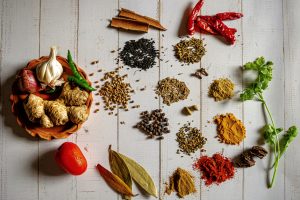
Key Ingredients in Pav Bhaji Masala
Recipes vary by region and family tradition, but most blends include:
-
Coriander seeds – warm, citrusy base flavor
-
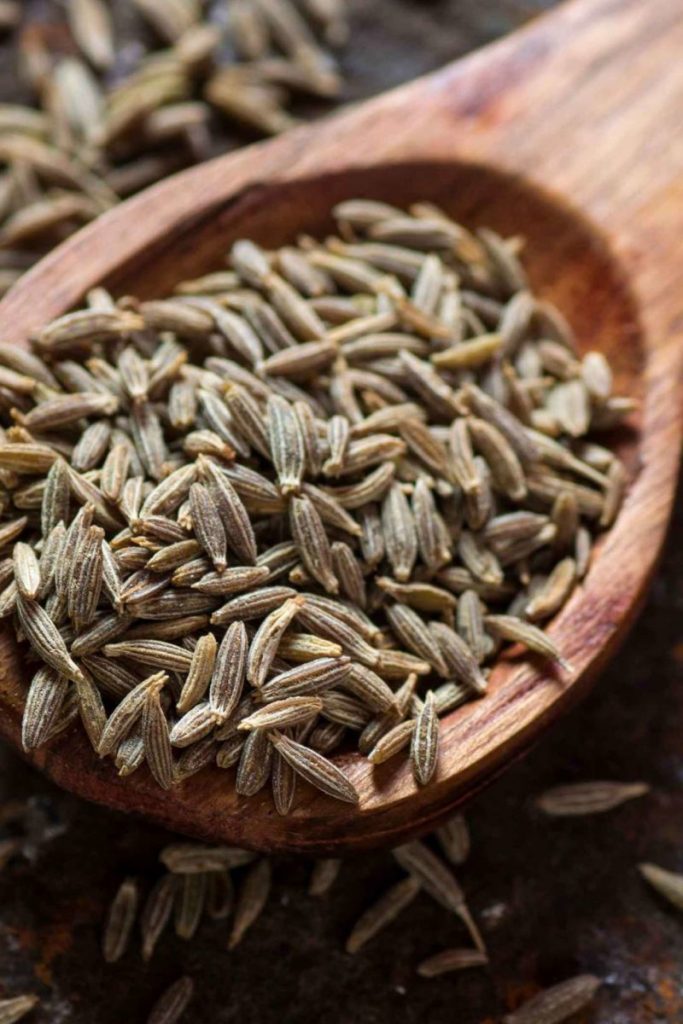
Cumin seeds – earthy depth
-
Fennel seeds – mild sweetness
-
Cinnamon & cloves – hint of warmth
-
Dry red chilies – for heat
-
Black peppercorns – pungency
-
Turmeric – color and mild bitterness
-
Amchur (dry mango powder) – tangy brightness
-
Fenugreek seeds – slight bitterness to balance butteriness
Recommended Reading: The History of Allspice: From the Caribbean to Kitchens Worldwide
Some regional variations add:
-
Coconut powder (common in Maharashtra’s Konkan coast)
-
Carom seeds (ajwain) for digestive benefits
-
Star anise or nutmeg for extra aroma
The magic lies not just in the ingredients, but in the proportions and the way the spices are dry roasted before grinding. This roasting step releases essential oils, giving the masala its depth.
Origins and Theories Behind Pav Bhaji Masala
There are many stories about how pav bhaji and its masala came to be:
-
The Textile Mills Theory: In the late 1800s, mill workers in Mumbai needed a quick, cheap meal. Vendors mashed leftover vegetables, spiced them with a strong masala, and served with pav — making pav bhaji the ultimate worker’s food.
-
The Indo-Portuguese Theory: Since pav (bread) came with Portuguese influence, some believe the spice mix evolved later to suit Indian tastes.
-
The Regional Variation Theory: Some cooks added coconut because it was abundant on the coast; others used carom seeds in the north for their medicinal qualities.
Whatever the truth, pav bhaji masala quickly became a distinct spice mix, different from anything else in Indian cooking.
Homemade Pav Bhaji Masala Recipe
Yes, you can buy it — but homemade pav bhaji masala is fresher, more aromatic, and customizable. Here’s a simple recipe:
Ingredients
-
4 tbsp coriander seeds
-
2 tbsp cumin seeds
-
1 tbsp fennel seeds
-
5–6 dried red chilies
-
2 tsp black peppercorns
-
1 tsp cloves
You Might Also Enjoy: How to Blacken a Steak: A Complete Step-by-Step Guide -
2-inch cinnamon stick
-
1 tsp turmeric powder
-
1 tsp amchur powder
-
½ tsp fenugreek seeds
Method
-
Dry roast coriander, cumin, fennel, chilies, peppercorns, cloves, cinnamon, and fenugreek until fragrant.
-
Let cool, then grind into a fine powder.
-
Mix with turmeric and amchur.
-
Store in an airtight jar for up to 3 months.
Using Pav Bhaji Masala
Of course, it’s essential for making pav bhaji, but you can also use it creatively:
-
Sprinkle on roasted potatoes or fries for a Mumbai-style twist.
-
Mix into tomato gravy for paneer bhurji or scrambled eggs.
-
Add to buttered popcorn for a spicy kick.
-
Stir into soups or lentils for added warmth.
Busting Myths Around Masalas
One of the sad truths about India’s spice trade is that many store-bought masalas are stale, diluted, or filled with fillers. For decades, spice merchants profited from selling substandard products while convincing households that masalas were too complex to make at home.
Through this blog, I want to demystify masalas — showing you that making your own is simple, economical, and far more flavorful.
Beyond Pav Bhaji: A Street Food Connection
Once you get into the rhythm of making masalas, you’ll realize many Indian street foods share this DNA. I also blog about:
-
Pani puri (spiced tamarind water)
-
Dahi puri (yogurt-filled crisp puris)
-
Kachori (stuffed fried pastry)
-
Aloo tikki chaat (spiced potato patties)
All of them rely on fresh spice blends for authenticity — not just store-bought packets.
Final Thoughts
Pav bhaji masala is more than just a spice mix — it’s the soul of Mumbai’s most beloved street food. Whether you make it at home or buy it ready, understanding its ingredients, variations, and history makes you appreciate pav bhaji even more.
For me, every time I cook it, I feel transported back to Mumbai’s streets — where the sizzle of butter, the aroma of spices, and the chatter of food stalls create magic that no five-star restaurant can replicate.
So, next time you cook pav bhaji, try making your own masala. Not only will it elevate the dish, but it will also connect you with a tradition that has fed generations of Indians with warmth and flavor.

Spices Masala is a contributor at Spices Masala. We are committed to providing well-researched, accurate, and valuable content to our readers.