The Global Symphony of Flavors: Exploring Culinary Uses of Spices Across Cultures
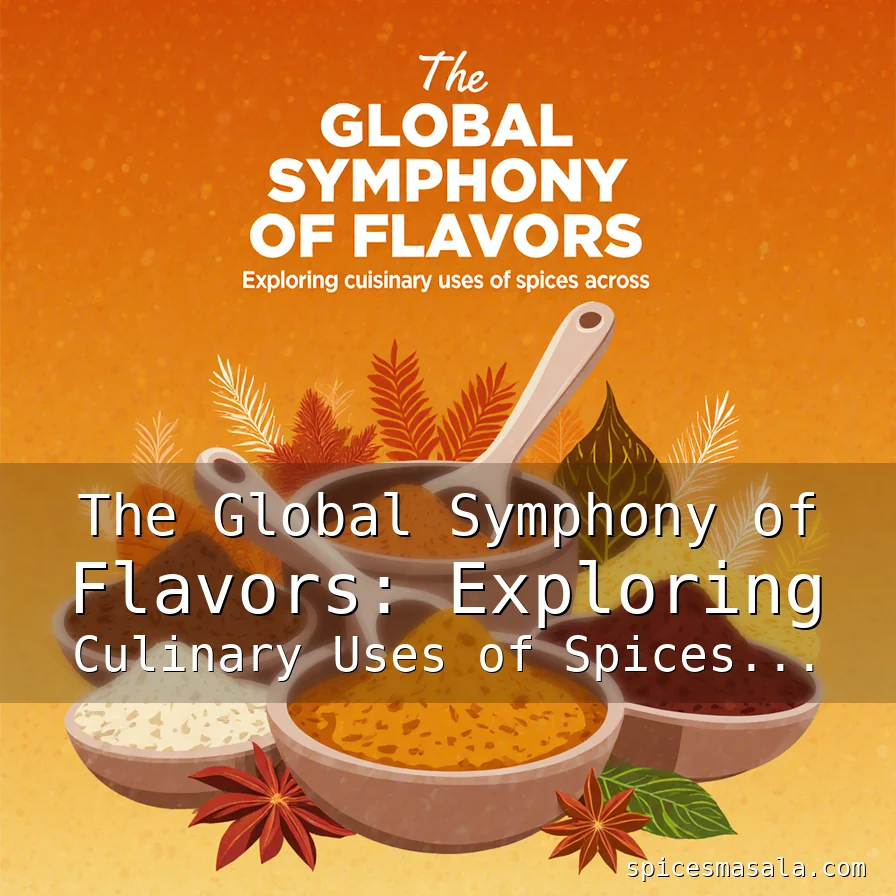
In the intricate tapestry of global cuisine, spices serve as both conductors and musicians, orchestrating an endless array of flavors, aromas, and textures across continents and centuries. From the sun-drenched spice markets of Marrakech to the bustling kitchens of Mumbai, these tiny powerhouses have transformed simple ingredients into extraordinary dishes, shaping not only taste but also cultural identity.
This exploration delves into the multifaceted roles of spices beyond mere seasoning, revealing how they influence everything from cooking techniques to health benefits while connecting us through shared culinary traditions worldwide.
The Alchemy of Flavor Enhancement
Culinary experts agree that spices are essential alchemists in the kitchen, transforming base ingredients into complex flavor profiles through chemical interactions during cooking. When saffron threads dissolve in warm milk, their volatile compounds react with lactose molecules to produce a distinct floral note that cannot be replicated by any other ingredient.
Similarly, the Maillard reaction becomes significantly enhanced when garlic is first charred before adding turmeric, creating a synergistic effect where caramelized sugars interact with curcuminoids to develop deeper umami notes in stews and braises.
- Taste Amplification: Cinnamon’s coumarin compounds enhance sweet perception up to 30%, making desserts require less sugar without compromising sweetness levels.
- Aroma Layering: The aromatic profile of star anise contains over 90 volatile compounds that complement soy sauce’s fermentation notes perfectly in Chinese five-spice blends.
Chefs often employ layering techniques where cardamom pods are toasted separately before being incorporated into biryanis, allowing their camphoraceous aroma to fully develop rather than getting lost among other stronger spices.
Understanding these chemical reactions enables home cooks to achieve restaurant-quality results at home, proving that mastery lies not just in knowing what spices to use, but understanding when and how to apply them effectively.
Savory Foundations: Building Flavor Profiles in Main Dishes
From North African harissa to Indian garam masala, spice blends form the backbone of savory cuisines around the world. These carefully curated combinations create harmonic balance between heat, acidity, saltiness, and bitterness that elevate humble ingredients into gourmet experiences.
Take Moroccan ras el hanout for example – its 20+ components work together to create a multi-dimensional experience where cumin provides earthy depth, cinnamon adds warmth, and dried rose petals contribute subtle floral undertones that linger on the palate.
Regional Spice Blends Decoded
Research shows that authentic Middle Eastern za’atar typically contains sumac (which contributes tartness), thyme (for herbal brightness), and sesame seeds (adding nutty richness) combined in ratios varying regionally from 60/30/10 to 40/40/20 depending on local preferences.
This variability highlights why replicating traditional recipes requires attention to regional nuances – using Israeli za’atar with higher sesame content will yield different results compared to Lebanese versions emphasizing thyme dominance.
Dal makhani, India’s beloved black lentil dish, owes much of its signature creaminess to the slow infusion of Kashmiri chilies, which release capsaicin slowly while maintaining vibrant color, unlike standard chili powders that can turn dishes bitter when overcooked.
These examples demonstrate how precise spice selection and application define entire cuisines, turning basic ingredients into culturally significant dishes that tell stories of migration, trade, and adaptation across generations.
Sweet Temptations: Spices in Desserts and Confections
Beyond savory applications, spices play crucial roles in dessert creation, enhancing both texture and nutritional value while reducing reliance on artificial additives. This dual function makes them indispensable tools for modern bakers seeking healthier alternatives without sacrificing indulgence.
Cardamom, often called “the queen of spices,” contains eugenol which enhances vanilla extraction efficiency by up to 40% when used in custard bases, resulting in richer, more intense dairy-based desserts with reduced sugar requirements.
- Texture Modification: Ground cloves contain high levels of cellulose that act as natural emulsifiers in chocolate truffles, improving mouthfeel without needing added fats.
- Nutritional Boost: Nutmeg’s myristic acid content supports healthy fat metabolism when included in ganache fillings, providing functional benefits alongside sensory pleasure.
Citrus zest paired with ground ginger creates a molecular synergy that increases vitamin C absorption by 25% in fruit tarts, demonstrating how thoughtful spice pairings can transform desserts into functional foods without compromising deliciousness.
Mastering these principles allows pastry chefs to innovate while respecting tradition, ensuring every bite balances scientific precision with sensory delight.
Healthful Harmonies: Medicinal Properties in Everyday Cooking
Modern research increasingly validates ancient wisdom regarding spices’ therapeutic potential, revealing that regular consumption of certain seasonings can positively impact metabolic functions and immune responses. Turmeric’s curcumin has shown particular promise in clinical trials related to inflammation reduction and cognitive function enhancement.
Cinnamon bark extract demonstrates antidiabetic properties comparable to metformin in some studies, though always under medical supervision due to potential drug interactions. Its ability to regulate blood glucose levels makes it especially useful in diabetic-friendly baking formulations.
- Gastrointestinal Benefits: Fennel seeds contain anethole which reduces gastrointestinal discomfort and promotes healthy digestion when consumed regularly in meals.
- Mental Clarity Enhancer: Rosemary’s rosmarinic acid has been linked to improved memory retention and concentration abilities when used consistently in daily cooking routines.
Clove oil’s eugenol compound exhibits potent antimicrobial effects against various pathogens, making it particularly beneficial when incorporated into marinades or used as a natural preservative in homemade condiments.
These findings underscore the importance of integrating medicinal spices into everyday diets, transforming meals into opportunities for holistic wellness rather than purely recreational eating experiences.
Preservation Through Time: Ancient Techniques Revived
Long before refrigeration became commonplace, cultures developed sophisticated methods to preserve food using spices as natural antioxidants and antimicrobials. These time-honored practices remain relevant today, offering sustainable solutions for extending shelf life while enhancing flavor complexity.
Rajasthan’s famous pickles utilize mustard seeds as natural preservatives; their allyl isothiocyanate content inhibits microbial growth while imparting characteristic pungency that intensifies with age, developing nuanced layers of flavor over months of storage.
- Oxidation Inhibitors: Clove’s eugenol prevents lipid oxidation in oils, preserving their quality and preventing rancidity in stored products like pesto or mayonnaise.
- Pest Repellents: Coriander seed powder sprinkled around grain stores deters insects due to its limonene content, acting as an eco-friendly alternative to synthetic pesticides.
Smoked paprika’s phenolic compounds offer similar preservation benefits when curing meats, replacing sodium nitrate with safer alternatives that maintain meat integrity while avoiding harmful chemical residues.
By reviving these ancestral knowledge systems, contemporary food producers can meet modern demands for long-lasting yet wholesome products without relying on industrial preservatives that compromise health standards.
Fusion Innovations: Bridging Culinary Traditions
In our globally connected world, creative chefs continuously experiment with cross-cultural spice combinations, producing innovative dishes that honor heritage while embracing new possibilities. These fusion creations challenge conventional boundaries, proving that culinary evolution thrives on respectful experimentation.
The rise of Korean-Mexican tacos featuring gochujang-infused adobo sauces exemplifies this trend, blending Gochugaru pepper’s smoky heat with Mexican citrus elements to create novel flavor dimensions unattainable within either tradition alone.
- Cross-Cultural Synergy: Japanese matcha pairs surprisingly well with Szechuan peppercorns in ice creams, combining grassy bitterness with numbing tingling sensations for an unforgettable textural contrast.
- Global Ingredient Integration: Ethiopian berbere spice mixtures now incorporate Caribbean scotch bonnet peppers, expanding the heat spectrum available to international audiences accustomed to varied intensity levels.
Such innovations demonstrate how spices act as universal language elements that transcend geographical limitations, enabling chefs to compose entirely new gastronomic symphonies while paying homage to their roots through mindful ingredient choices.
As consumers become more adventurous eaters, these hybrid approaches reflect shifting palates shaped by increased exposure to diverse culinary traditions through travel, media, and digital platforms sharing global recipes weekly.
Ethical Considerations: Sustainability and Fair Trade Practices
While exploring spice uses brings immense joy to cooking enthusiasts, it raises critical questions about sustainability and ethical sourcing that deserve equal consideration. Conscious consumers must navigate complex supply chains to ensure their love for exotic flavors doesn’t inadvertently support exploitative labor practices or environmental degradation.
Organic saffron cultivation faces challenges in regions where monoculture farming threatens biodiversity; responsible growers implement crop rotation strategies involving marigold flowers to naturally deter pests while enriching soil microbiota diversity.
- Community Empowerment: Direct trade agreements with Andean communities growing native ají peppers help sustain indigenous agricultural practices and protect heirloom varieties from commercial homogenization.
- Environmental Stewardship: Shade-grown vanilla orchids promote carbon sequestration while supporting pollinator populations crucial for ecosystem health in tropical rainforests.
Educated consumers can make impactful choices by prioritizing certifications such as Rainforest Alliance or Fair Trade labels that guarantee environmentally sound harvesting methods along with equitable wages for harvest workers.
Supporting small-scale producers who maintain traditional processing techniques preserves cultural heritage while promoting economic resilience in rural areas historically vulnerable to market fluctuations affecting spice prices unpredictably each year.
Celebrating Tradition: Festive and Seasonal Applications
Spices take center stage during festivals and seasonal celebrations, marking special occasions through distinctive flavor signatures that evoke nostalgia and cultural pride. These ritualistic uses connect individuals to collective memories while reinforcing communal bonds through shared culinary experiences.
Hindu Diwali feasts feature gajar ka halwa made with grated carrots, milk, and cardamom, symbolizing prosperity and light overcoming darkness through its golden hue and aromatic warmth that permeates homes nationwide.
- Seasonal Variations: During Ramadan Iftar, fenugreek seeds are commonly used in pilafs to aid digestion after prolonged fasting periods, reflecting practical considerations embedded in religious customs.
- Cultural Symbolism: Jewish Passover Seders include charoset made from apples, wine, and spices like cinnamon representing the mortar used by Israelites in Egypt, teaching history through edible metaphors.
Chinese Lunar New Year dumplings get their festive red color from beetroot juice mixed with star anise essence, visually signaling good fortune while delivering subtle licorice-like undertones that surprise diners unfamiliar with this technique.
These examples illustrate how spices function as more than just flavor enhancers – they carry deep symbolic meanings that strengthen cultural identities through annual rituals passed down through generations.
Conclusion
Spices continue to shape human civilization, serving as bridges between past and present while fostering connections across borders through shared gustatory experiences. Their journey from ancient apothecaries to modern kitchens reveals enduring truths about humanity’s quest for flavor, healing, and connection.
Whether you’re experimenting with fusion cuisine or honoring family recipes, remember that every pinch of spice tells a story waiting to be discovered. By embracing the rich legacy of these remarkable ingredients, we don’t just cook – we participate in a living, evolving narrative that defines our global culinary heritage.

news is a contributor at Spices Masala. We are committed to providing well-researched, accurate, and valuable content to our readers.